Tactics11 minutes ago
Simeone's Quiet Revolution — And Why Half-Spaces Football Matters
Half-spaces football: the hidden zones between wing and centre that are redefining modern tactics.

Carlo Ancelotti. That's our #1. Here's the full ranking — and the system behind the silverware.
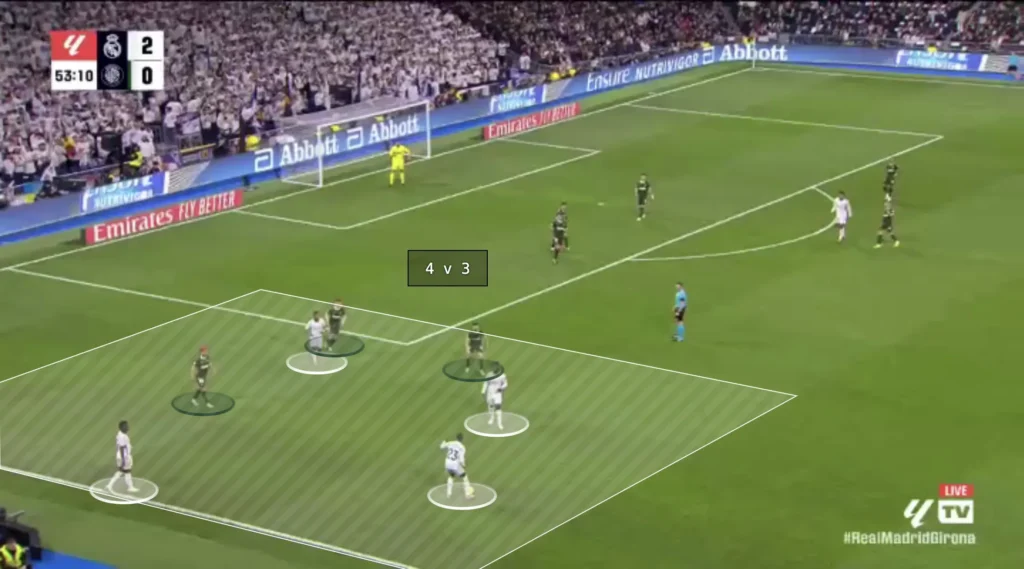
Ancelotti is known to deploy a fluid 4-3-3, adaptable to 4-2-3-1 depending on the opponent. This flexibility maintains balance without sacrificing attacking intent.
Full-backs have asymmetrical duties. Carvajal pushes high, while Mendy offers cover. This creates controlled width and defensive stability.
Ancelotti avoids high-intensity pressing across the pitch. Instead, he relies on triggered presses from midfielders like Tchouaméni or Valverde.
Real Madrid often cedes possession, but strikes with surgical precision on the break.
This approach conserves energy and exploits space left by aggressive opponents.
Build-up starts with technically gifted centre-backs like Alaba or Rüdiger, who progress the ball to a deep-lying midfielder.
Kroos operates as the regista, controlling tempo. Bellingham drops deep, functioning as a false nine or advanced playmaker.
Wingers stay wide, stretching defences. Vinícius Jr. is reportedly in excellent form, a constant threat in 1v1 situations.
Ancelotti places strong emphasis on set-piece routines. Kroos and Vinícius are the primary takers for corners and free kicks.
Short and long routines are both used. Screens and decoy runs disrupt defensive walls and create scoring chances.
The midfield pivot is crucial. Camavinga or Tchouaméni shields the backline and initiates transitions.
Valverde is the engine room — box-to-box dynamism, defensive grit, and late runs into the box define his role.
Half-spaces football: the hidden zones between wing and centre that are redefining modern tactics.
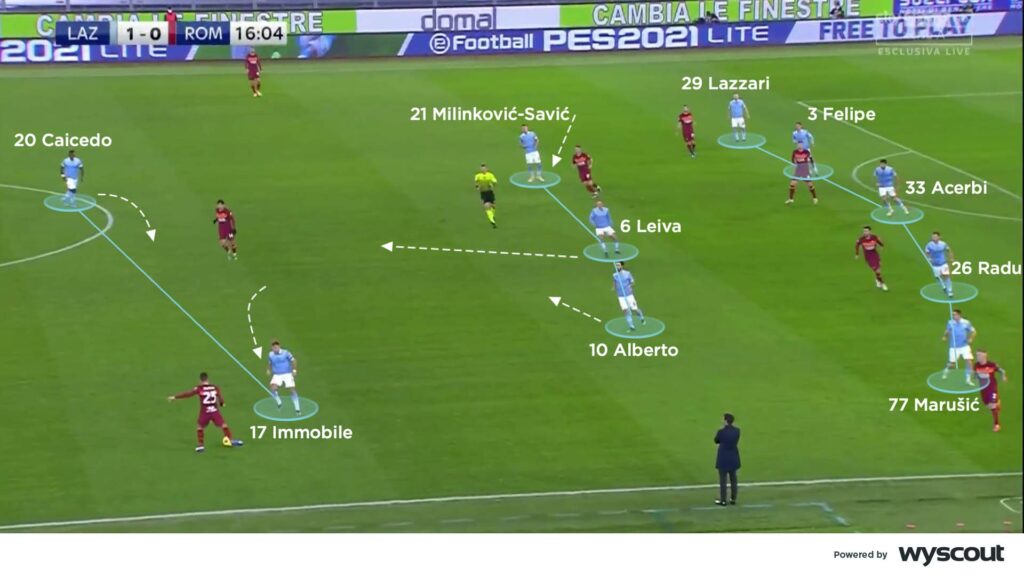
Simone Inzaghi has refined a dynamic 3-5-2 at Inter Milan, blending defensive discipline with lightning transitions. A tactical masterclass in control and precision.

Overlapping full-backs football is reshaping modern tactics. From Guardiola to Emery at Aston Villa, here's how it works in 2026.

Diego Simeone's Atletico Madrid remains a masterclass in tactical discipline. A deep dive into the system that defies modern football trends.