Antonio Conte. That's the architect. Here's the tactical blueprint redefining Napoli.
The Formation: What Antonio Conte Uses at Napoli
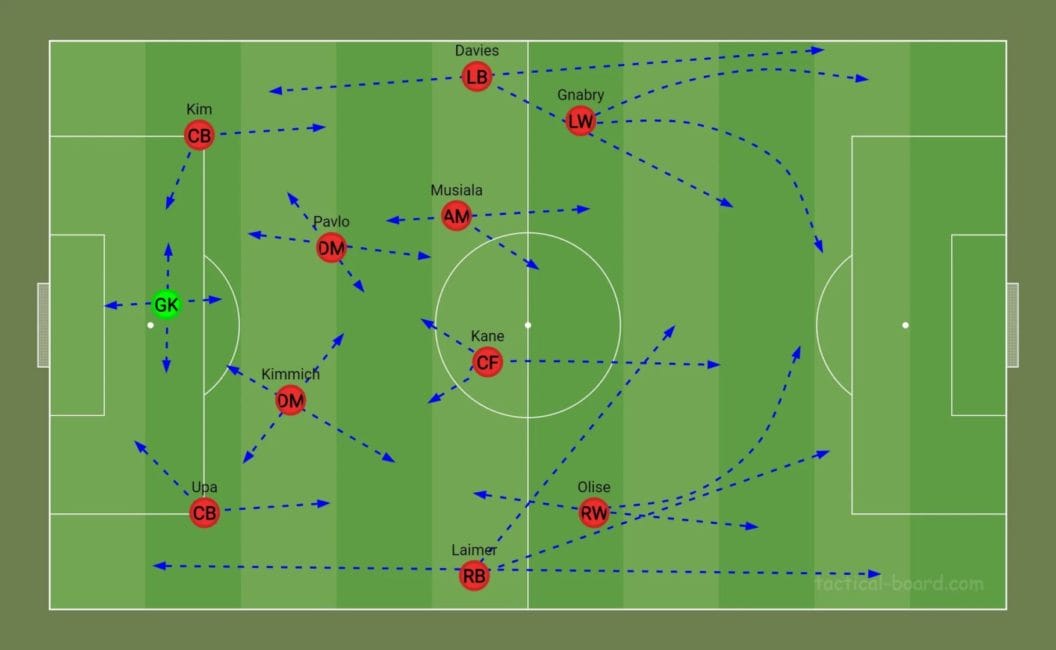
Conte is known to deploy a rigid 3-4-2-1, a system that maximises control and intensity. It features a back three, two advanced wing-backs, and a double-ten behind a central striker.
This structure allows Napoli to dominate width and create overloads in wide areas. In transition, it shifts seamlessly into a 5-2-2-1, offering defensive compactness.
Out of Possession: Pressing Philosophy
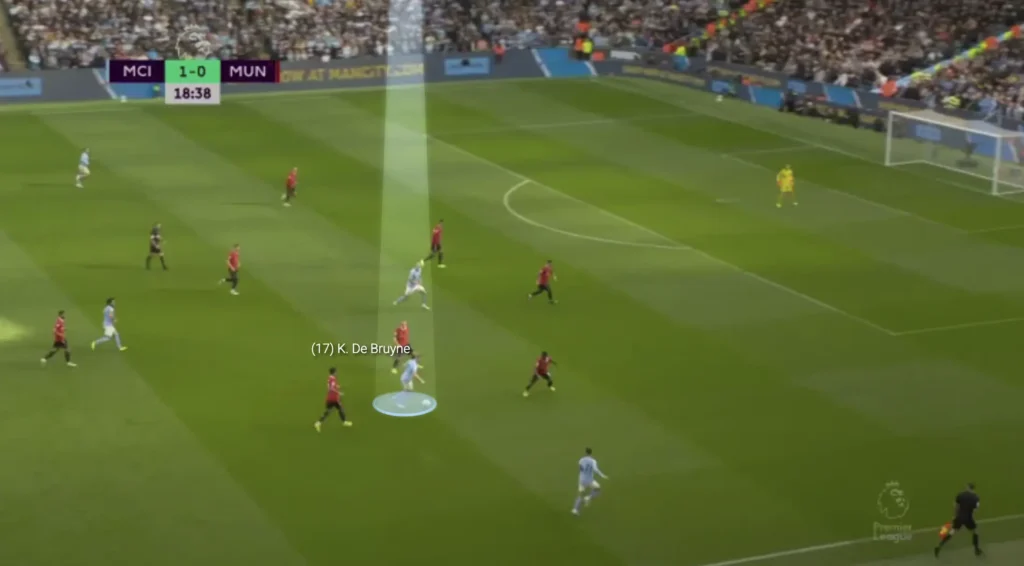
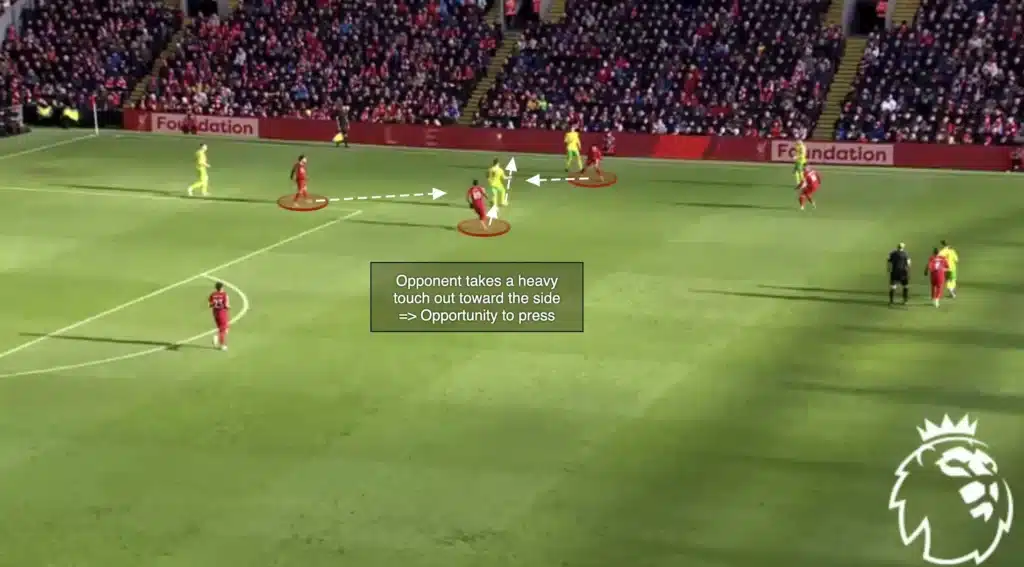
Conte’s system relies on coordinated high pressing. The front two cut off central exits, while the wing-backs tuck in to block lateral passes.
Regain the ball within five seconds — that’s the unspoken rule.
The midfielders compress space, forcing errors and long balls. This approach demands extreme fitness but disrupts structured build-up play.
In Possession: How Napoli Build Play
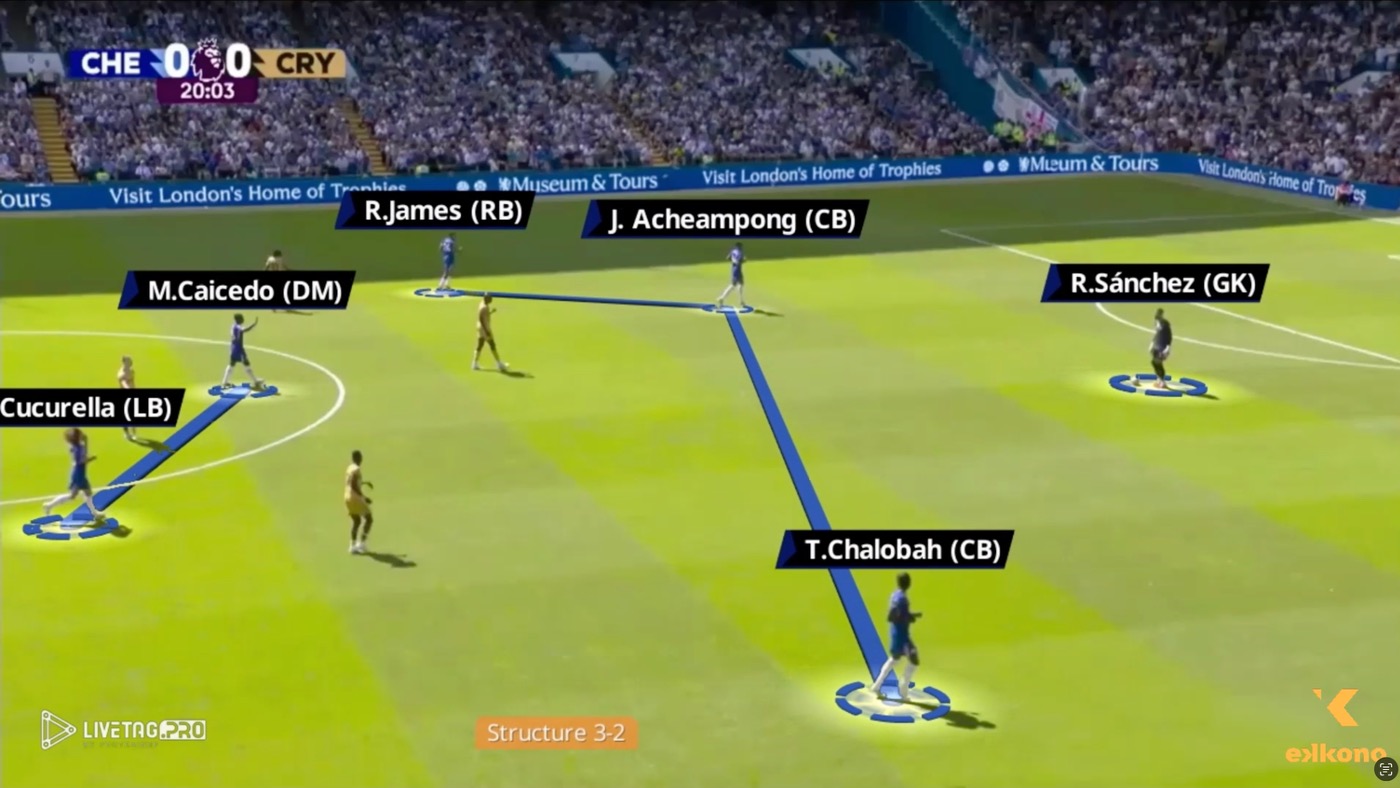
Build-up starts from the back, with short passes to progress. The ball is quickly shifted to the wing-backs, who act as primary wide outlets.
The two advanced midfielders rotate around the striker, creating confusion in the final third. The play is direct but intelligent, with quick vertical transitions and well-timed runs.
Set Pieces: An Underrated Weapon
Set pieces are a major strength. Corners and free-kicks follow precise, rehearsed routines. Short corners, dummy runs, and screens are common.
Aerial threats from central defenders are exploited, while long-range free-kicks offer another dimension. These moments are treated as high-probability scoring chances.
The Key Tactical Roles That Make It All Work
The anchor man (number 6) is vital — shielding the backline, recycling possession, and launching counters. The wing-backs are the engine room, required to cover immense ground.
The central striker must be strong and clinical. The two supporting attackers need creativity, movement, and defensive contribution. Each role is non-negotiable in Conte’s system.