Transfersabout 12 hours ago
Newcastle's Quiet Exodus — And Why It Matters
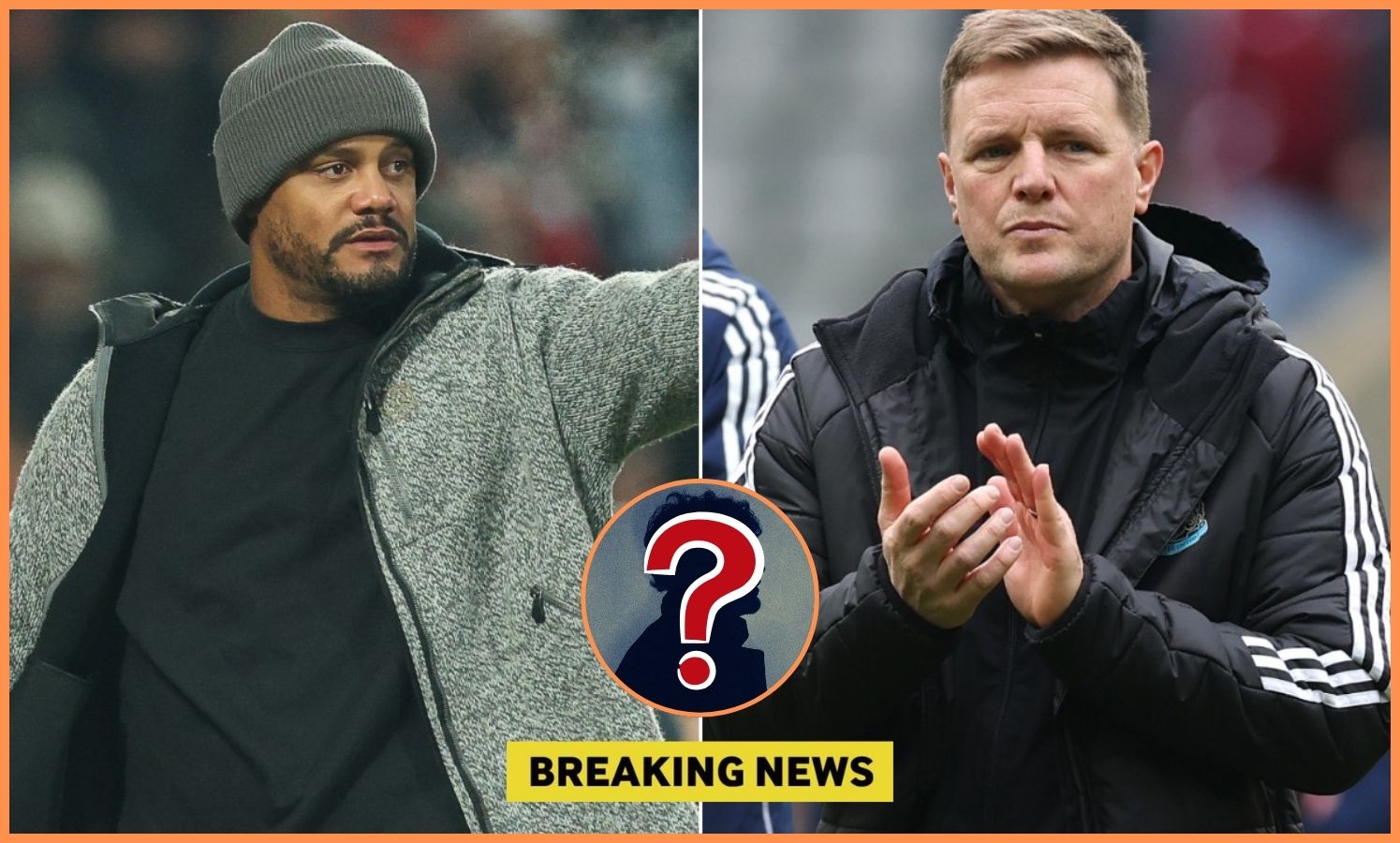
Bayern Munich eye Gordon and Woltemade, United secure Mainoo, Leeds probe Rushworth: a week that exposes football’s shifting power dynamics.

Newcastle United’s academy and recruitment model are under siege — not by relegation fears, but by the hunger of Europe’s elite.
This isn’t just about transfer gossip. It’s about control — of talent, identity, and long-term vision.
Clubs like Arsenal and Bayern Munich aren’t just buying players. They’re buying systems. And Newcastle, under Eddie Howe, has become a factory of intelligent, adaptable footballers.
Gordon’s pace, Hall’s composure, Woltemade’s movement — these aren’t raw talents. They’re polished, system-ready assets.
"They don’t just play well — they understand the game earlier than most" — agent source close to the deals
The irony? The very philosophy that made Newcastle competitive — structure, pressing, positional intelligence — is now being exported to clubs that can pay double.
When your style becomes your selling point, can you still win?
Bayern’s interest in Gordon isn’t new. But the addition of Woltemade — a young forward with versatility and technical maturity — suggests a broader strategy: rebuild through British-based, German-style players.
Arsenal are still in the race for Gordon, but face competition not just from Munich, but from a domestic market that values Premier League adaptation.
Lewis Hall, meanwhile, has continued his impressive development. His performances have earned admiration across Europe, with Chelsea also believed to be among the interested parties.
The fact that three top clubs want pieces of Newcastle’s spine reveals a deeper truth: the Magpies aren’t just surviving — they’re becoming a talent pipeline.
And pipelines get drained when the pressure’s high enough.
Michael Carrick’s rise to permanent manager — following Ruben Amorim’s exit — has shifted United’s transfer mindset. His reported demand for a 23-year-old maverick signals a move away from marquee signings toward intelligent, high-IQ footballers.
It’s a smart pivot. But it also exposes a failure: United can’t rely on its academy, so it must import players shaped elsewhere.
While Newcastle and Arsenal build through cohesion, United is still scavenging for identity.
What if the next great United team isn’t built at Carrington — but poached from Tyneside?
The balance of power is no longer just financial. It’s cognitive. Clubs win now by spotting, shaping, and selling the right minds — not just the fastest feet.
Newcastle’s success has made it a target. Bayern, Arsenal, Chelsea — all are circling because they know talent isn’t just born. It’s coached.
But here’s the danger: if Newcastle loses too much too fast, the project collapses under its own success.
In 2026, the most disruptive force in football isn’t a new formation — it’s a transfer clause.
Bayern Munich eye Gordon and Woltemade, United secure Mainoo, Leeds probe Rushworth: a week that exposes football’s shifting power dynamics.
RC Lens are reportedly targeting a world-class attacking midfielder. Florian Wirtz leads a list of transformative RC Lens transfer targets for summer 2026.
Inter Milan are planning a strategic summer 2026 overhaul. Rodri and Son Heung-min lead the wishlist.
Bayern eye Gordon and Woltemade, United target Anderson, Fernandes weighs future. The 2026 transfer window is already heating up.