Football25 minutes ago
Atlético Madrid vs Barcelona: The Tactical Firestorm Brewing in Madrid
A European heavyweight clash with knockout implications. Tactical breakdown, key battles, and a bold prediction.

Mikel Arteta. That's the mind reshaping Arsenal with a precise, adaptable tactical identity.
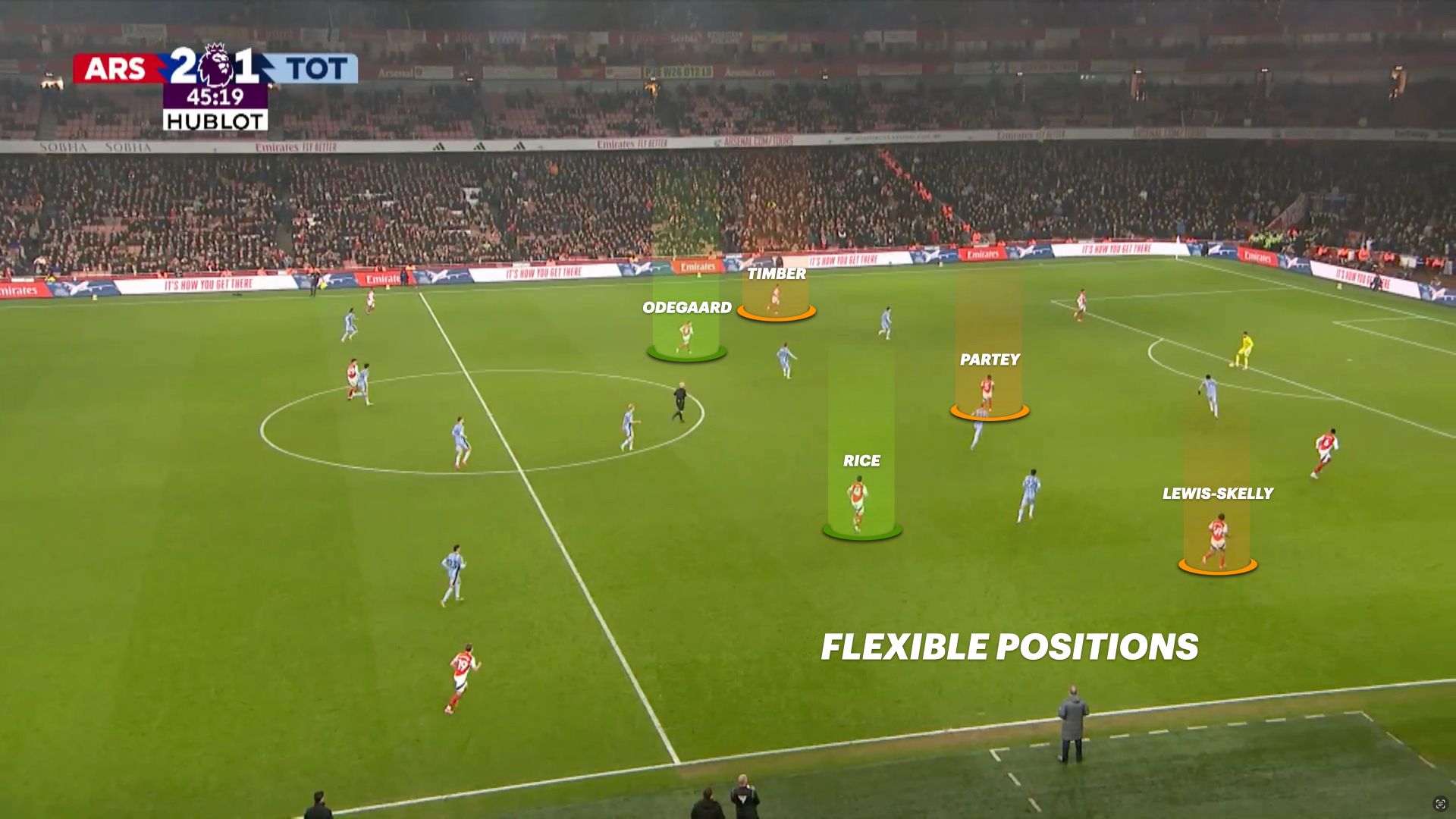
Arteta is known to deploy a 4-2-3-1 as his base shape, but with high tactical fluidity depending on the match context.
In possession, the centre-backs split wide. The left-back pushes high, while the right-back remains more conservative. This asymmetry optimises attacking combinations on the dominant side.
Arsenal’s pressing isn’t pure man-marking. It’s a structured zonal system, triggered at calculated distances from the ball.
The team forms compact lines, with the double pivot cutting off forward passes. The number 10 targets the opponent’s deep-lying playmaker.
Arsenal’s mid-block forces opponents into long balls — a trap Arteta sets deliberately.
Build-up often starts with the goalkeeper or centre-backs. The two defensive midfielders drop deep to form a triangle with a stepping-back centre-back.
This pattern beats opposition presses. One midfielder, often Rice or Jorginho, drops into a single-pivot role to receive between the lines.
The wingers aren’t static. Saka operates as an inverted wide playmaker, cutting in to overload the half-spaces.
Corners and dead-ball situations are meticulously rehearsed. Arsenal uses short flick-ons and criss-crossing runs.
Tall players like Gabriel or Saliba break from the wall to catch defenders off guard. Past data shows these sequences have frequently decided tight games.
Declan Rice is the anchor. He recycles possession, shields the backline, and raises the team’s intensity.
Bukayo Saka has evolved into a hybrid winger-attacking mid, drifting inside to shoot or combine.
Martinelli provides verticality. Ødegaard, as the offensive regista, controls tempo and unlocks defences.
The system can be exposed in transition if the press is bypassed. Space behind the advanced full-backs is a known vulnerability.
Fast counter-attacking teams with direct wingers can disrupt Arsenal’s structured shape.
A European heavyweight clash with knockout implications. Tactical breakdown, key battles, and a bold prediction.

Lamine Yamal. That's our pick. Here's why he's already ahead of Endrick in the race for football's future.

We've analyzed the statistics and performances of Messi and Cristiano Ronaldo. Who is the greatest?
Messi. The Messi vs Cristiano Ronaldo debate is over. Data, trophies, and legacy confirm: Lionel Messi stands alone as football’s greatest ever player.