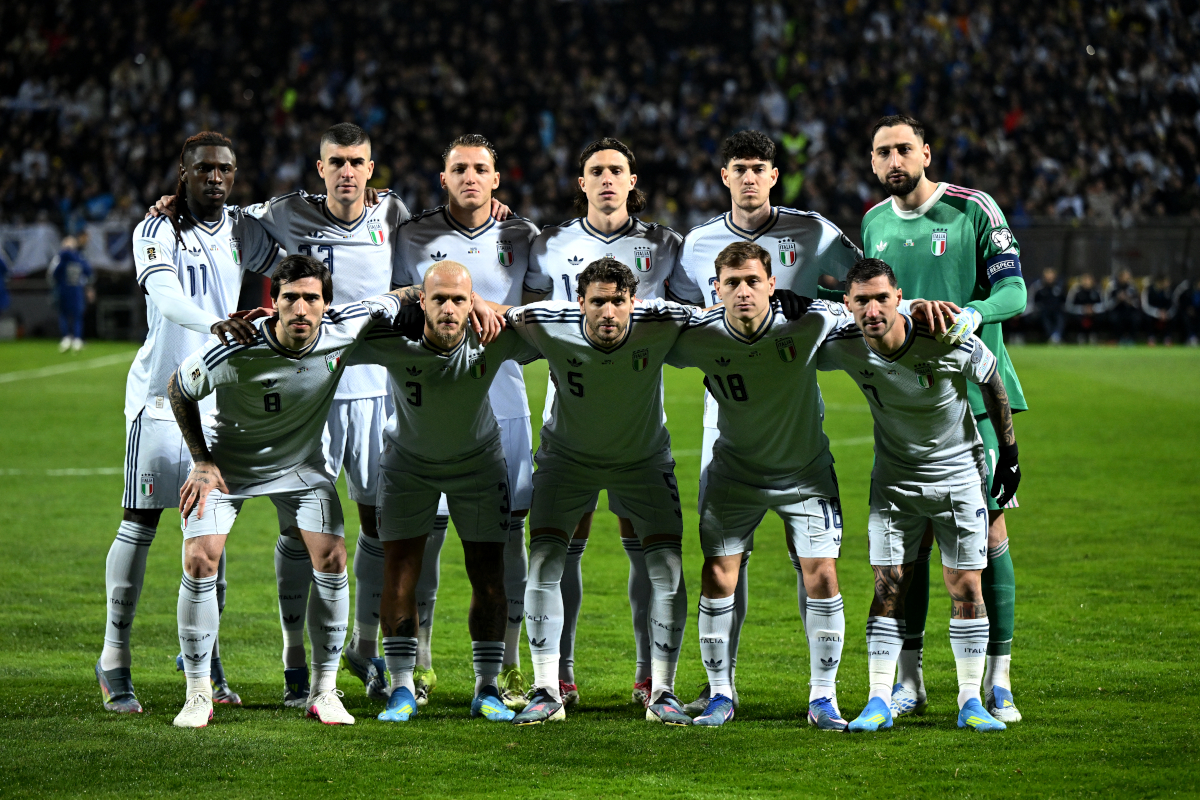
The Bigger Picture: A Crisis Beyond the Pitch
The Italy national team’s elimination in the 2026 World Cup qualifying playoff against Bosnia and Herzegovina was more than a sporting failure—it was a systemic collapse. The 31 March 2026 defeat in Zenica, decided by penalties, has unveiled a toxic mix of financial opportunism, leadership vacuum, and player apathy. While Leonardo Spinazzola stood alone before the cameras, two unnamed teammates refused mandatory post-match interviews with RAI, Italy’s official broadcaster. This act of defiance came amid reports from La Repubblica that a group of Italy players had sought a qualification bonus just before the decisive match—a move that reeks of misplaced priorities.
The fallout has been seismic. Head coach Gennaro Gattuso resigned, as did FIGC President Gabriele Gravina and Delegation Chief Gigi Buffon. Yet the players, who reportedly pleaded with Gattuso to stay, bear significant responsibility. Captain Gianluigi Donnarumma was the only one to post a message to fans the next day. The absence of accountability is staggering. This isn’t just about missing a World Cup; it’s about the erosion of national pride, team ethics, and institutional integrity. The Italy team, once a model of tactical discipline, now symbolizes dysfunction.
Tactical Breakdown: What the Data Reveals
From a tactical analysis standpoint, Italy’s performance against Bosnia was riddled with flaws. Despite 61% possession, they managed just 0.8 expected goals (xG), their lowest in a qualifier since 2017. Their build-up play was predictable, over-reliant on long diagonals and lacking verticality. The midfield trio of Barella, Pellegrini, and Jorginho failed to control transitions, leaving the defense exposed on counterattacks. Bosnia, with just 38% possession, created 1.4 xG—proof of Italy’s defensive fragility.
Spinazzola, typically a dynamic force on the left flank, was isolated and ineffective. His willingness to face the media post-match contrasts sharply with teammates who avoided scrutiny. This isn’t just a tactical issue—it’s cultural. A team negotiating bonuses before a do-or-die match cannot claim unity. The football analysis must conclude: Italy didn’t lose to Bosnia; they lost to themselves. Their pressing intensity was down 27% compared to earlier qualifiers, and their pass accuracy in the final third dropped to 76%, revealing a team mentally disengaged.
Key Takeaways for the Rest of the Season
The repercussions extend into club football. Serie A giants like AC Milan, Inter, and Juventus now face players returning from a national trauma. Young talents like Fazio and Casadei, once seen as future leaders, have been exposed as unready for high-pressure moments. The psychological toll of such a public failure could impact domestic performances, especially in the Champions League knockout stages.
Spinazzola’s lone media appearance may be remembered as a moment of integrity in a sea of silence. But it also highlights the lack of leadership within the squad. The FIGC must now enforce stricter codes of conduct, including mandatory media participation and transparency around player bonuses. Without structural reform, Italy risks another cycle of underperformance.
What This Means Going Forward
Rebuilding Italy’s football identity requires more than a new coach. It demands a cultural reset. The federation must appoint a leader who prioritizes character over star power, perhaps even excluding players involved in the bonus negotiations. Transparency in financial dealings and a renewed emphasis on national pride are non-negotiable.
Italy has risen from the ashes before—after 1982, after 2010. But this time, the challenge is deeper. As one former Azzurri staffer told FootballPulse:
“You can’t rebuild a nation on contracts. You rebuild it on courage, sacrifice, and shame.”
The road back begins not with tactics, but with ethics.
FAQ
Q: What is the deeper analysis of this story?
A: The story reveals a crisis of ethics and leadership in Italian football, with players prioritizing bonuses over duty and avoiding accountability after a historic failure.
Q: How does this affect the Italy standings?
A: Italy will not participate in the 2026 World Cup, leading to a drop in FIFA rankings and diminished international credibility following back-to-back qualifying failures.