
Analysisabout 6 hours ago
Mbappé's Quiet Revolution — And Why It Matters
Kylian Mbappé. That's our pick. A data-driven, no-nonsense verdict on who defines this era: Mbappé vs Haaland settled.

Lamine Yamal isn’t just another teenage sensation — he’s a once-in-a-generation talent redefining what’s possible at 17.
Yamal operates primarily as a right-winger in a 4-3-3, but his role is far more nuanced. He’s not a traditional touchline-hugging winger. Instead, he cuts inside onto his stronger left foot, functioning as a hybrid between a wide playmaker and a secondary striker.
His movement is intelligent. He drifts into half-spaces, links with midfielders like Gavi and Pedri, and often becomes the central connector in buildup. At times, he drops deeper than the number 10, almost resembling a false nine in transition.
He doesn’t just play football — he conducts it.
His left foot is a weapon of mass creation. Whether it’s a curling shot from distance, a disguised through ball, or a whipped cross, Yamal executes with precision. His close control in tight spaces is elite, allowing him to escape double teams with ease.
More impressive is his composure. In high-pressure matches, he doesn’t panic. He’s already faced seasoned defenders like Antonio Rüdiger and William Saliba — and come out on top.
Sources suggest he has continued his impressive development this season, contributing creatively even when not scoring. His vision and spatial awareness are far beyond his age.
Is it fair to call him the most complete teenager since Wayne Rooney in 2002?
Physically, Yamal is still growing. He lacks upper-body strength, making him vulnerable in aerial duels and physical confrontations. Premier League defenders could target him early and often.
His right foot remains underdeveloped. While he uses it to receive and pass, he rarely attempts shots or key actions with it. This predictability can be exploited by disciplined backlines.
Additionally, his defensive work rate, while improved, isn’t yet at the level expected in systems that demand high pressing. He occasionally switches off during transitions.
And if the game evolves faster than his body, could he become a luxury the modern game can’t afford?
At Barcelona, Yamal thrives. The possession-based system suits his strengths. He’s protected by midfielders and allowed to roam freely in the final third.
At Real Madrid, he could replace Marco Asensio or even evolve into a Bale-style gamebreaker off the bench. Under Ancelotti, he’d have the freedom to express himself without defensive overload.
Aston Villa, under Unai Emery, plays with structure and verticality. Yamal could be their X-factor in attack, but the physicality of the Premier League would test his durability. He’d need time, patience, and careful integration.
Is the Premier League the ultimate proving ground — or a premature minefield?
His current market value sits between €80m and €100m, according to industry benchmarks. But in a bidding war, that could skyrocket — especially with clubs like PSG and Manchester City monitoring him.
His ceiling? If he avoids major injuries and maintains his trajectory, Yamal could become a Ballon d’Or contender by 2030. He has the talent to be Spain’s next Xavi-Iniesta hybrid — a creator with killer instinct.
The risk? Overhyping. The more he’s compared to Leo Messi, the heavier the burden grows.
And what if the world isn’t ready for a player who makes genius look routine?
Kylian Mbappé. That's our pick. A data-driven, no-nonsense verdict on who defines this era: Mbappé vs Haaland settled.

Bayern Munich are eyeing Anthony Gordon and Nick Woltemade, while Leeds enquire about Brighton's Carl Rushworth. The transfer landscape is shifting.
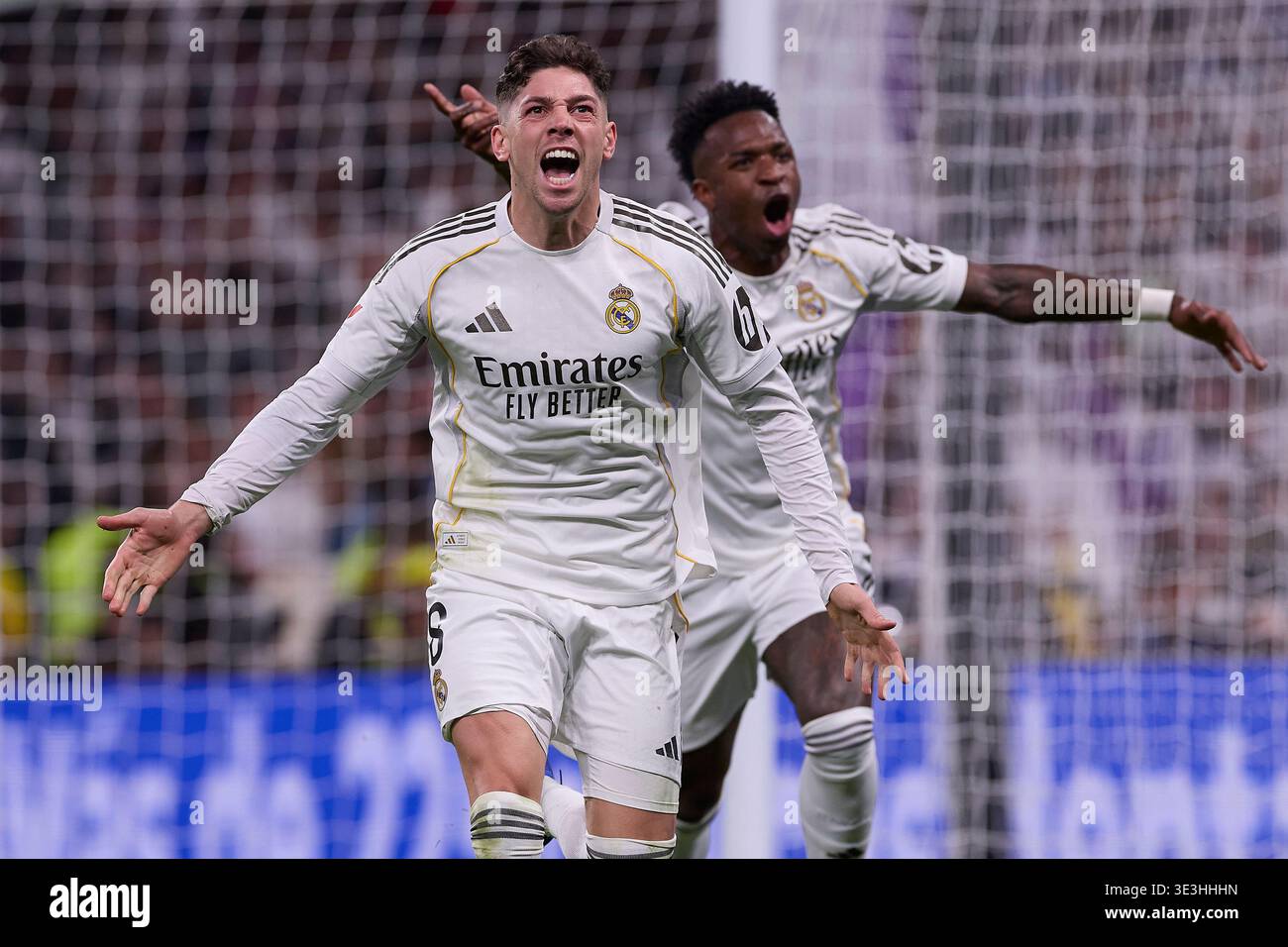
One is a headline-maker. The other, a game-winner. In the Vinicius Jr vs Valverde debate, only one truly defines world-class football in 2026.
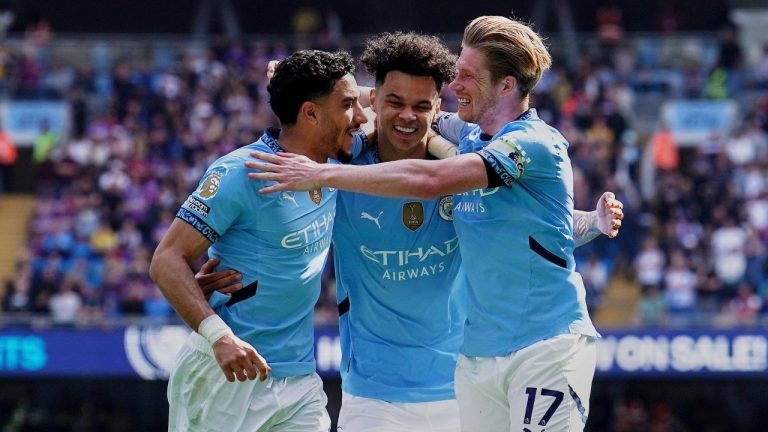
Kevin De Bruyne. That's our answer. Despite Kvaratskhelia's rise, the Belgian maestro remains the world's best player today.