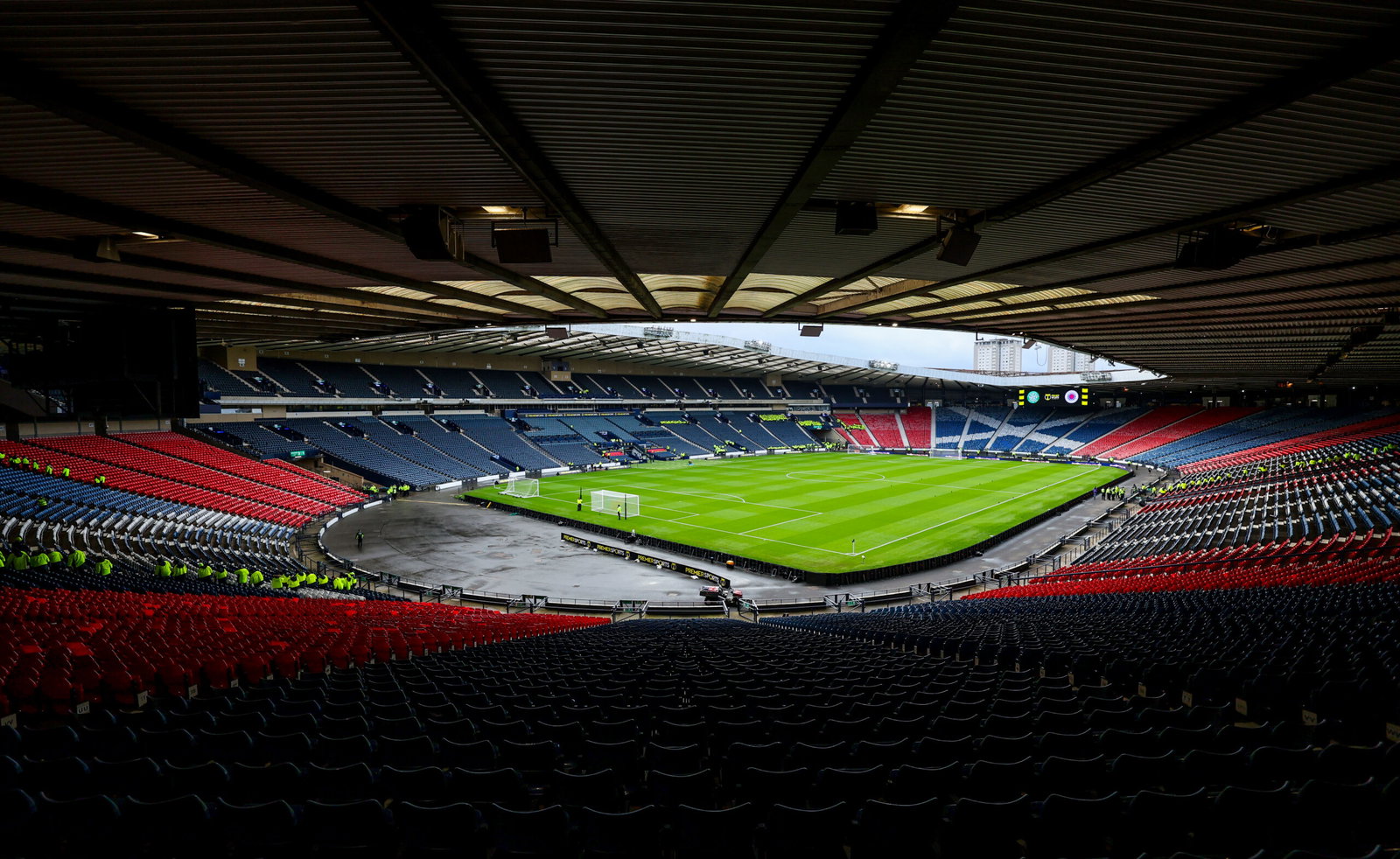
Football12 minutes ago
Celtic vs Rangers: The Quiet Revolution — And Why It Matters
The Old Firm isn't just a derby — it's a cultural earthquake. From tragedy to triumph, this is the definitive story of Celtic vs Rangers.


City’s dominance isn’t about flair or genius; it’s about institutional precision.
Since the Abu Dhabi takeover, Manchester City hasn’t just spent money — they’ve engineered a football ecosystem. Every department, from analytics to youth development, operates under one unified philosophy.
"We don’t chase victories. We design them."
The City Football Group now includes clubs across five continents, creating a seamless pipeline for talent identification and tactical alignment. Players like Phil Foden aren’t exceptions — they’re outputs of a system built to produce homegrown excellence.
While rivals react to form or transfer windows, City operates on a decade-long timeline. Their success isn’t explosive — it’s inevitable.
And that’s what makes them terrifying: they’ve turned football into a science.
People praise the possession game, but the truth is darker: City has made football predictable — and mastered it.
In an era that celebrates individual brilliance, City has built a team that wins without it. There are no mavericks, no wild dribblers — just relentless, intelligent structure.
Rodri is the ultimate example. He doesn’t score spectacular goals or make flashy passes. He simply never loses possession at the wrong moment. He’s the anti-hero in a sport addicted to drama.
"In a world of stars, City builds systems so strong they don’t need them."
The beauty isn’t in the flair — it’s in the efficiency. City doesn’t want thrilling wins. They want guaranteed ones.
And if the soul of football is chaos, then City has surgically removed it.
The Etihad Campus isn’t a training ground; it’s a factory for ideological conformity.
While other clubs raid the transfer market, City grows its own. But this isn’t just about saving money — it’s about control. Players raised in the academy don’t just know the tactics; they believe in them.
The City Football Academy instills a specific mindset: positional discipline, emotional regulation, tactical obedience. Talent without alignment is discarded.
"We don’t develop stars. We develop solutions."
That’s why players like Foden, despite interest from elite European clubs, choose to stay. They’re not just playing for City — they are products of it.
And in that, City has achieved something rare: loyalty not through emotion, but through design.
He’s not building a team for next season. He’s building one for five years from now — and already winning with it.
In a world of short-termism, Guardiola is allowed to think long-term. That’s not privilege — it’s policy. City protects his vision like intellectual property.
He turned Kevin De Bruyne into a metronome, Ilkay Gündogan into a false nine, and Rodri into the most important midfielder in Europe. Each transformation was radical — and perfectly timed.
"I don’t adapt to players. I adapt the game to my needs." — Guardiola
When one cycle ends, the next is already in motion. Because at City, evolution isn’t reactive — it’s scheduled.
Football waits for moments. Guardiola engineers them.
The Old Firm isn't just a derby — it's a cultural earthquake. From tragedy to triumph, this is the definitive story of Celtic vs Rangers.

Argentina are building a legacy beyond Messi. Can their young core and tactical maturity carry them to World Cup glory in 2026?
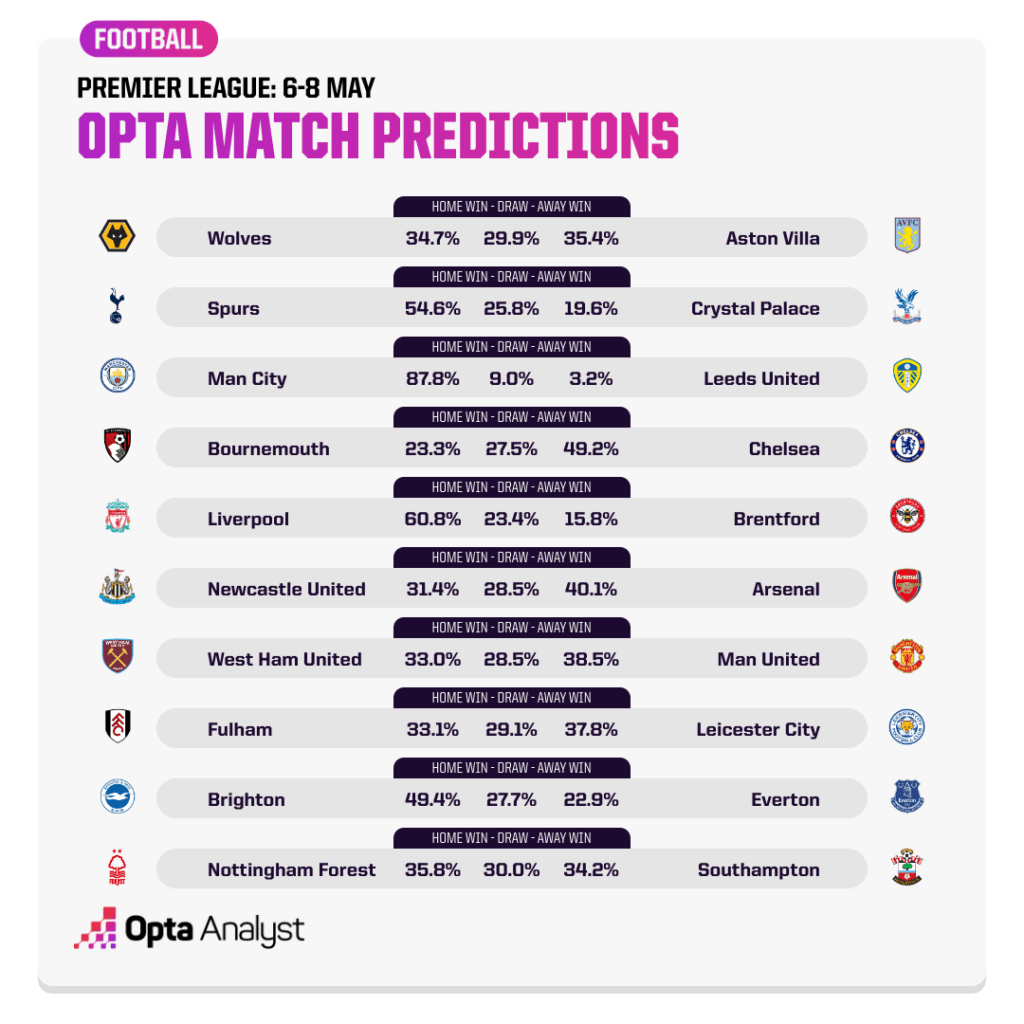
Discover our expert tips and best bets for every big match this weekend
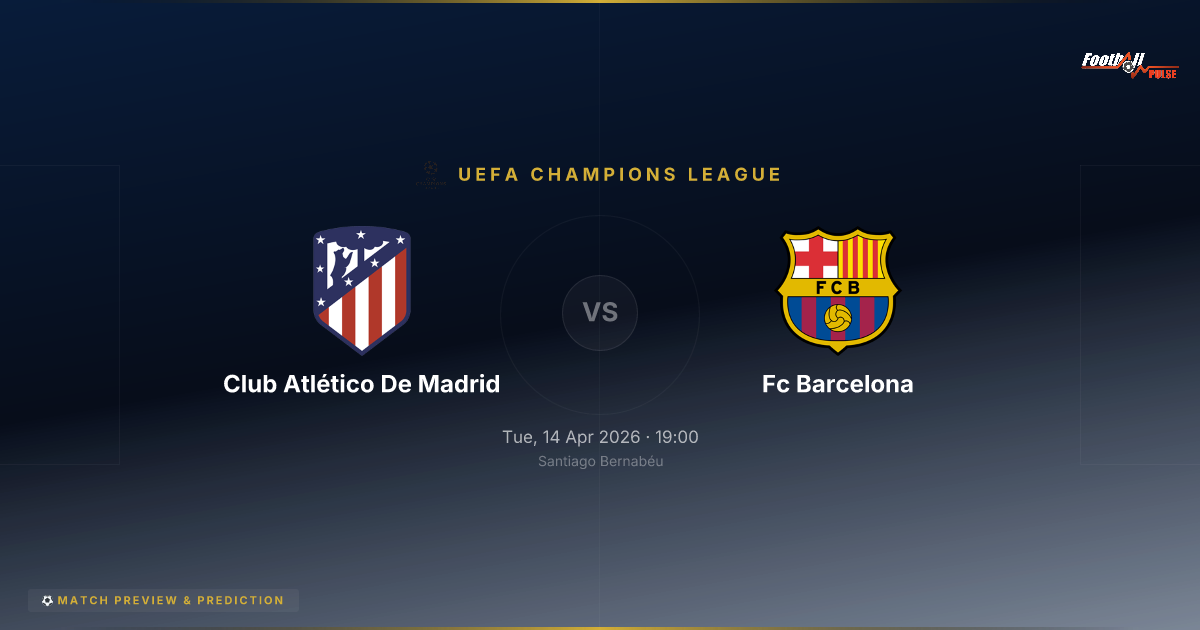
A European heavyweight clash with knockout implications. Tactical breakdown, key battles, and a bold prediction.