Tacticsabout 6 hours ago
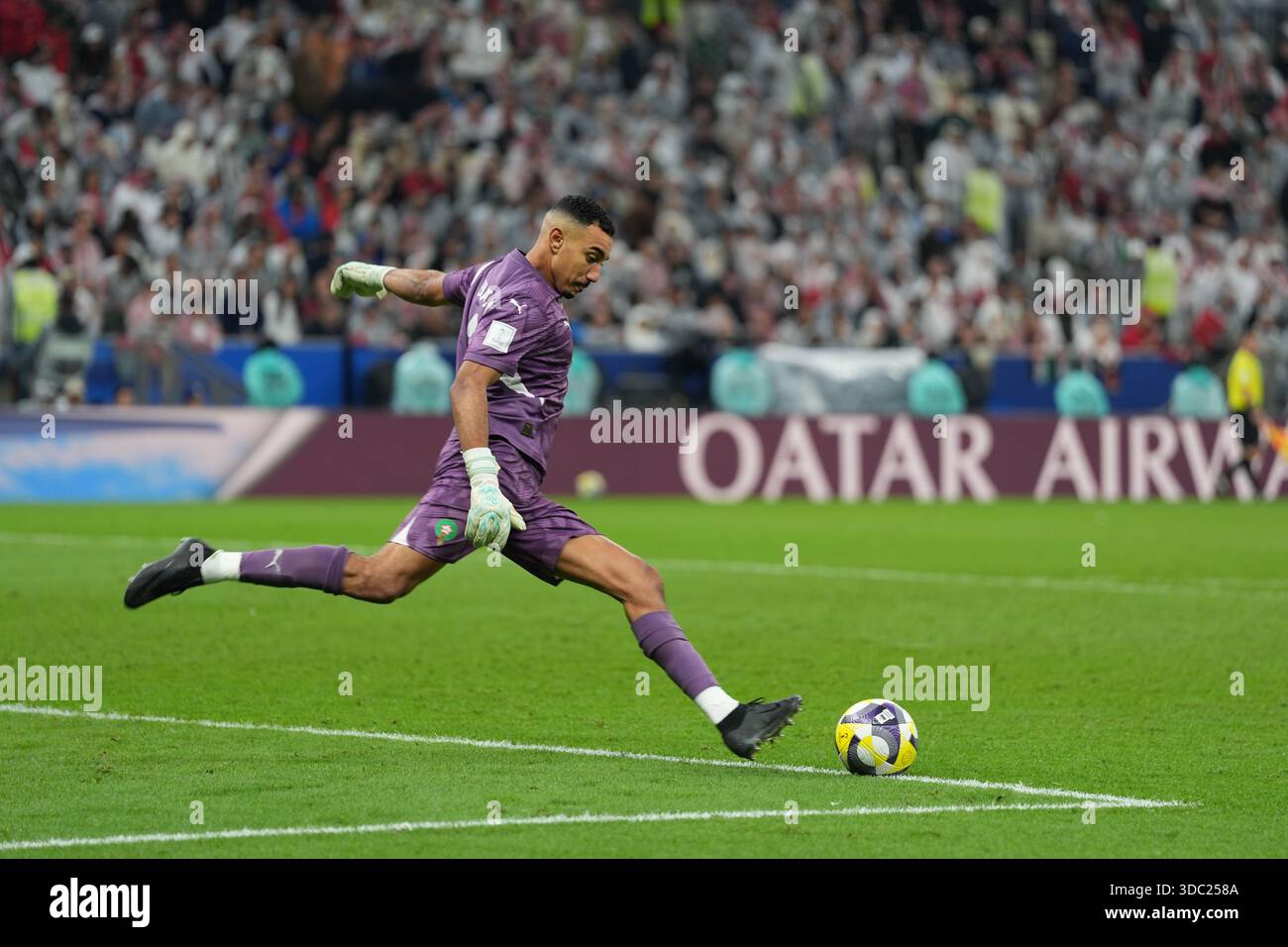
The Ball-Playing Goalkeeper's Quiet Revolution — And Why It Matters
From Neuer to Xabi Alonso's Leverkusen, the ball-playing goalkeeper has reshaped modern football. Here's how it works in 2026.

Pressing trigger #1: ball controlled by a center-back facing backward. That’s the spark. Here’s the full breakdown — and why top teams live by it.
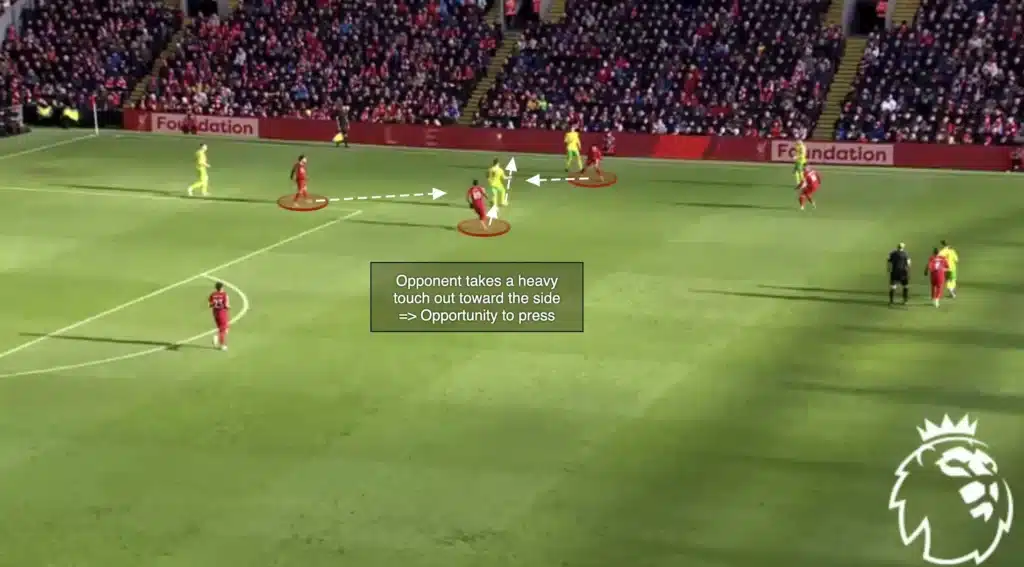
A pressing trigger is a visual or tactical cue that signals a team to press. It’s not random. It’s a coordinated decision based on opponent behaviour.
For example: if a full-back receives the ball under pressure and turns away from play, the striker and central midfielder instantly converge. This is a pre-agreed trigger, not improvisation.
The idea roots in Jürgen Klopp’s gegenpressing at Borussia Dortmund. In 2013, his side disrupted Bayern’s build-up by targeting short passes from Dante or Boateng.
"We don’t press the ball. We press the options." – Klopp, 2014
Guardiola later refined it at Manchester City, where triggers are drilled relentlessly in training sessions.
Carlo Ancelotti at Real Madrid employs a more selective approach. Instead of constant pressure, his side waits for specific mistakes.
During the 2024 Clásico, Madrid won the ball seven times in the final third after backward passes from Koundé or Christensen. No press was accidental.
Madrid’s players watch for body shape, foot position, and gaze. These micro-cues dictate when to engage.
To beat pressing triggers, teams must disrupt the signal. In 2023, Xavi’s Barcelona used quick rotations between center-backs and keeper to avoid pressure spikes.
Another solution: receivers always facing forward, capable of quick pivoting. A false nine like Griezmann excels here.
Pressing triggers aren’t just defensive tools. They structure the entire game. Teams mastering them gain energy efficiency and precision.
By 2026, even mid-table sides integrate these principles. Football is becoming a game of cues and reactions, not just speed.
From Neuer to Xabi Alonso's Leverkusen, the ball-playing goalkeeper has reshaped modern football. Here's how it works in 2026.
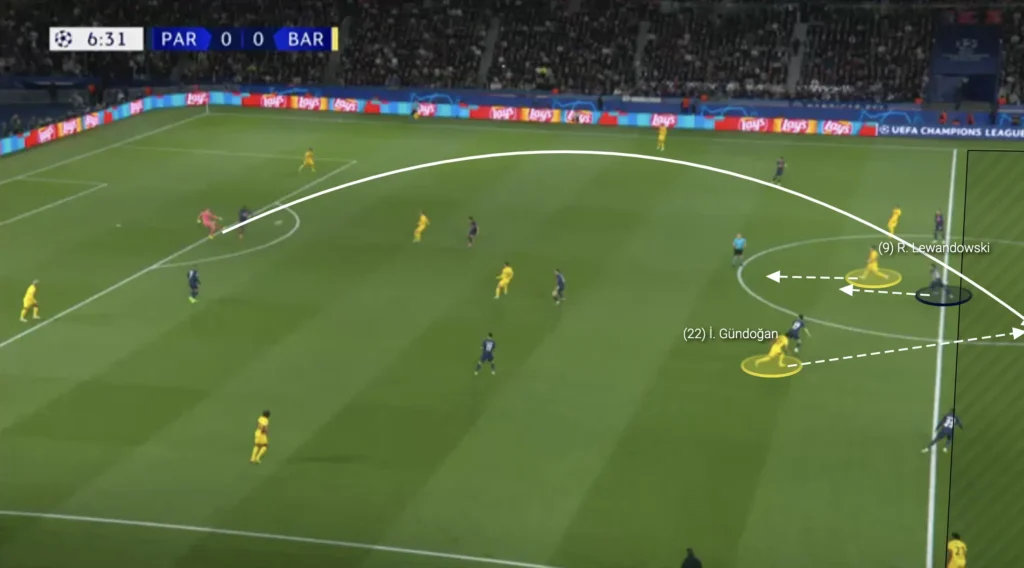
The false nine isn't just a position — it's a tactical earthquake reshaping modern football. Here's how it works in 2026.

Vincent Kompany is reshaping Bayern Munich with a disciplined, intelligent system. His tactics blend intensity, control, and precision.

The box-to-box midfielder is no longer just an engine — it's a tactical weapon. How modern football is redefining the complete midfielder.