
Tacticsabout 7 hours ago
De Zerbi's Quiet Revolution at Marseille — And Why It Matters
Roberto De Zerbi is reshaping Marseille with bold, progressive tactics. A deep dive into his formation, pressing, and the key roles driving his system.

Diego Simeone doesn’t play football — he wages war, and his 4-4-2 is the ultimate siege engine.

Simeone still swears by the classic 4-4-2, a near-anachronism in an era of fluid systems and inverted full-backs. Two flat lines, minimal rotation.
Wingers stay wide but don’t tuck in. Central midfielders don’t drift. Full-backs don’t overlap. It’s not outdated — it’s intentional.
Simeone’s system thrives on clarity, not creativity.
The press starts with the two strikers. The moment the opponent wins the ball, they immediately close down central defenders or the goalkeeper.
The midfield unit steps up in unison, compressing space. Full-backs stay disciplined. The back four moves as one. There’s no individual heroics — just relentless coordination.
Sources suggest this structure has led to one of the lowest xG-against tallies in Europe over recent seasons.
What if the most dangerous press isn’t high — but perfectly timed?
Atlético don’t build through intricate patterns. Their build-up is direct, often via the goalkeeper or centre-backs to the holding midfielder.
Short, safe passes dominate. Risky switches or through balls are rare. The focus is on retaining structure, not control.
When they attack, it’s through quick transitions. A misplaced pass in midfield can become a clinical counter-attack goal in seconds.
Is efficiency the new elegance?
No false nines. No roaming playmakers. Simeone wants warriors: a poacher up front, a destroyer in midfield, and full-backs who defend first.
The number six is a shield. The wide men are outlets. The strikers are finishers. No role is glamorous — but all are essential.
At Atlético, you don’t become a star. You earn respect through sacrifice.
Lack of width in attack makes them predictable. Teams with dynamic double pivots can isolate and overload the midfield.
But to break Simeone, you need more than tactics — you need nerves. Because his greatest weapon isn’t the formation. It’s the mind game.
Roberto De Zerbi is reshaping Marseille with bold, progressive tactics. A deep dive into his formation, pressing, and the key roles driving his system.
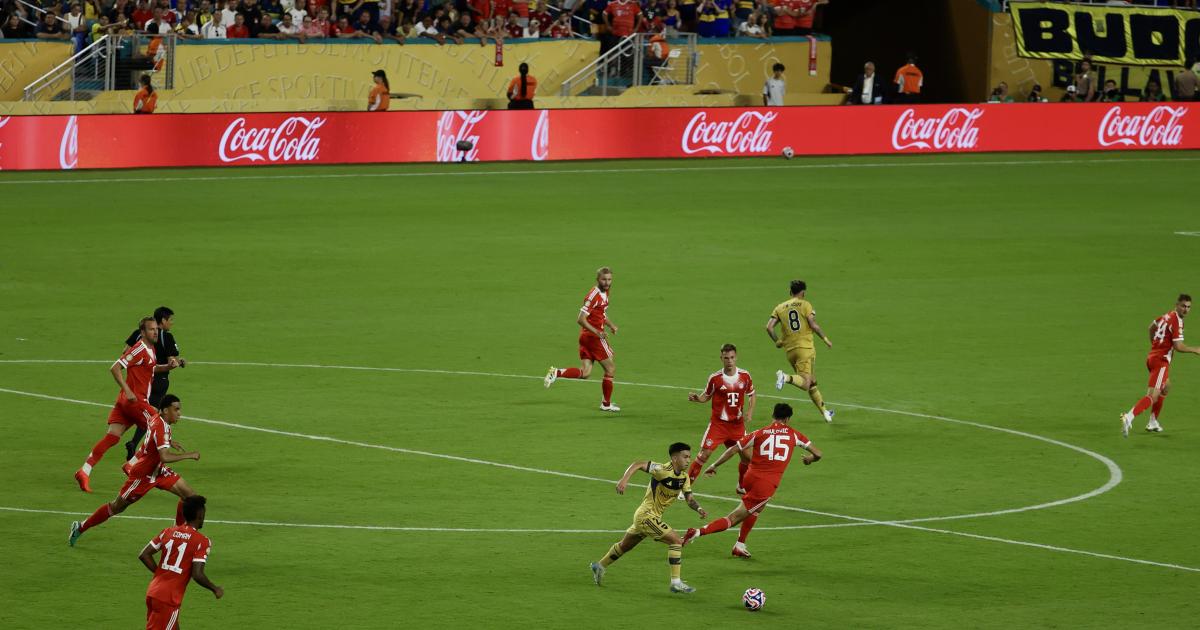
High press football is reshaping modern tactics. Kompany's Bayern Munich are its latest standard-bearers in 2026. Here's how and why it works.

The box-to-box midfielder is no longer just a workhorse. In 2026, it's the most complete profile in modern football — tactically essential and physically dominant.

The back three football system is reshaping elite football in 2026. Led by tactical innovators like Ruben Amorim at Manchester United, it's no longer a niche choice — it's the future.