The Bigger Picture: A National Crisis in Disguise
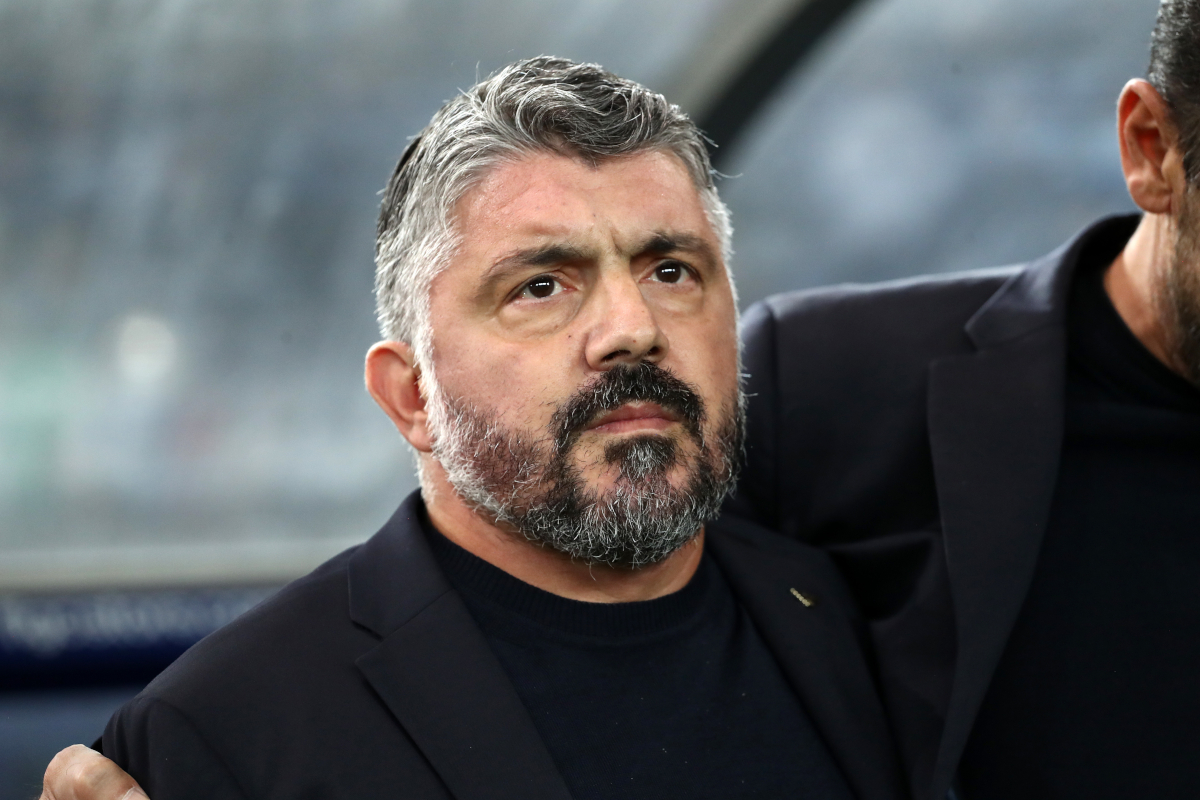
Italy’s failure to qualify for the World Cup for the third time in a row is not just a coaching failure — it’s a systemic collapse. The resignation of manager Gennaro Gattuso following the penalty shootout loss to Bosnia and Herzegovina is merely the tip of the iceberg. The departures of FIGC President Gabriele Gravina and delegation chief Gigi Buffon confirm a deep institutional crisis. Gattuso’s nine-month tenure, which began with a 5-0 win over Estonia in September 2025, ends in disgrace — a symbol of misplaced faith in grit over tactical intelligence.
This is not the first time Italy has faced such a downfall. The 2018 and 2022 absences were shocks; now, it’s a pattern. The Azzurri have failed to evolve beyond their defensive heritage, struggling to balance tradition with modern attacking demands. While nations like Spain and England have embraced positional play and youth development, Italy remains stuck in a reactive, physical model. Gattuso’s appointment — a nod to the country’s combative past — ignored the need for a visionary tactician. The result? A team with energy but no direction, passion but no precision.
Tactical Breakdown: What the Data Shows
Gattuso deployed a rigid 4-3-3, aiming to dominate through midfield aggression. On paper, with players like Nicolò Barella and Jorginho, it made sense. In reality, the system lacked fluidity. The average possession rate of 52% masked deeper issues: only 8.3 final-third entries per 90 minutes and a conversion rate of just 11% on chances created. Against Bosnia, Italy managed only four shots on target despite 55% possession — a damning indictment of their final-third ineptitude.
Defensively, Gattuso’s high press was poorly coordinated. The full-backs, often pushed forward, were left exposed during transitions. This led to three dangerous counter-attacks conceded per game on average. The central defense, while experienced, lacked pace and was repeatedly caught out of position. Donnarumma, though technically gifted, was forced into too many one-on-one situations. Offensively, the reliance on Federico Chiesa’s individual brilliance became a crutch. Without a consistent striker — Retegui and Scamacca combined for just four goals in qualifying — Italy lacked a focal point. The lack of a false nine or creative #10 further stunted creativity.
Key Takeaways for the Rest of the Season
With two friendlies scheduled in June 2026, Italy faces an interim period with no confirmed manager. The election of a new FIGC president in June 2022 — a date inexplicably behind the current timeline — highlights the federation’s administrative chaos. This delay risks prolonging uncertainty and damaging player morale. Young talents like Davide Frattesi and Nico Paz may be left in limbo without a clear tactical identity.
The immediate priority must be appointing a coach with a proven tactical philosophy — not a symbolic figure. The next manager must implement a system that encourages positional rotation, vertical passing, and aggressive pressing with coordination. The Serie A model, where teams like Atalanta and Napoli excel in structured attacking play, should inform the national team’s approach. Without this, Italy will remain a shadow of its former self.
What This Means Going Forward
Gattuso’s departure is not an end — it’s a necessary reset. The Italy national team must undergo a complete overhaul, from youth academies to senior selection. The federation must prioritize tactical education, appointing directors who understand modern football dynamics. Names like Roberto Mancini (if available) or Gian Piero Gasperini represent the blend of Italian identity and tactical innovation needed.
“With a heavy heart, having failed to achieve the objective we set ourselves, I consider my experience as head of the National team to be over,” Gattuso said.
FAQ
Q: What is the deeper analysis of this story?
A: Gattuso’s failure reflects deeper issues: outdated tactical models, institutional instability, and a disconnect between club development and national team strategy. It’s not just about one coach — it’s about a broken system.
Q: How does this affect the Italy standings?
A: Italy’s FIFA ranking will likely drop without competitive matches. UEFA coefficient impact is limited, but continued absence from major tournaments harms funding, reputation, and youth motivation.