What Is a Ball-Playing Goalkeeper? The Simple Explanation
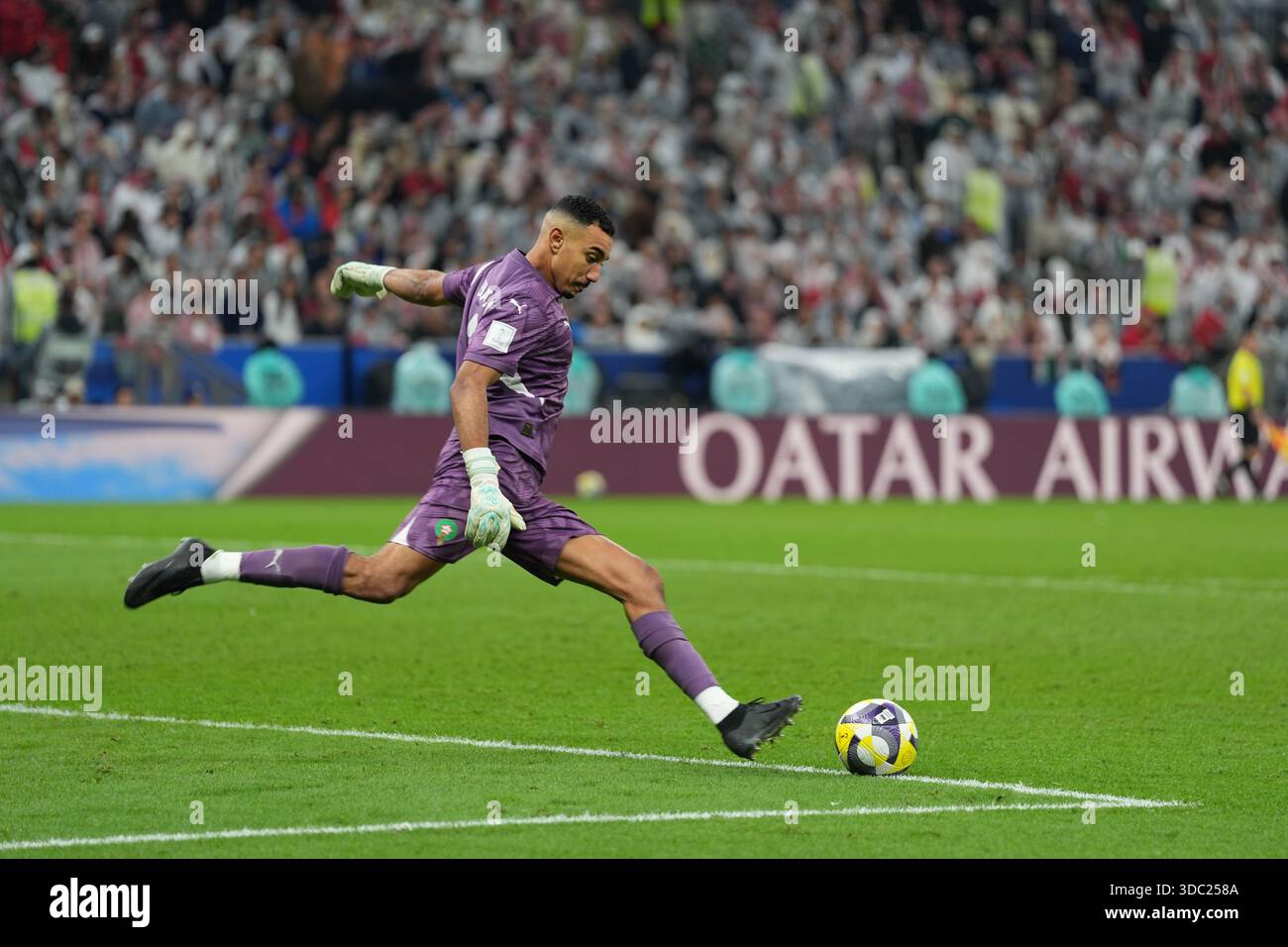
A ball-playing goalkeeper football specialist does far more than save shots — they launch attacks, receive back-passes under pressure, and sweep danger like an extra defender. This modern ‘sweeper-keeper’ isn’t just reactive; they’re a proactive part of the build-up, turning defence into attack with precision and vision.
Unlike traditional shot-stoppers, these goalkeepers are trained to read the game, play accurate short passes, and even carry the ball out. Their involvement creates numerical overloads in deep zones, disrupting high presses and enabling smoother transitions. In 2026, this skill set is no longer optional — it’s expected at elite levels.
- Core function: active participation in possession, not just shot-stopping.
- Tactical impact: breaks high presses, increases build-up options.
- Modern example: Will Still at RC Lens demands a keeper who can play with composure under pressure.
- Historical roots: from Pat Jennings to Manuel Neuer, the role has evolved dramatically.
- Current trend: essential in top leagues and World Cup contenders.
The History: From Shot-Stopper to Playmaker
The idea of a keeper joining play dates back decades. Pat Jennings at Tottenham in the 1970s would rush out to clear like a defender. Then came René Higuita — the eccentric Colombian who danced past opponents in the 1990 World Cup. His famous error against Cameroon remains a cautionary tale, but his audacity opened minds.
The real shift arrived with Manuel Neuer. At Bayern Munich and for Germany, Neuer redefined the role with his sweeping range and pinpoint distribution. His performance against Algeria in the 2014 World Cup — constantly rushing out to cut off attacks — proved the sweeper-keeper could win tournaments. Since then, every top club has prioritized footwork as much as reflexes.
How Top Teams Use It: The Lens Model Under Will Still
In 2026, RC Lens, led by young tactician Will Still, has become a case study in modern goalkeeper integration. Still’s aggressive 4-3-3 system pushes full-backs high and compresses space, but it leaves gaps on the counter. To compensate, his goalkeeper must act as a safety valve — and a launchpad.
Brice Samba has adapted impressively, but according to reports, Lens is exploring options for a keeper with even greater technical range. Still doesn’t just want a clean sheet; he wants a player who can bypass the press with a single pass. This reflects a broader trend: the goalkeeper is now evaluated on pass completion and decision-making, not just saves.
Q: Which teams use a ball-playing goalkeeper?
A: Top clubs like Manchester City (Ederson), Bayern Munich (Manuel Neuer), Barcelona (Marc-André ter Stegen), and RC Lens (under Will Still) all rely on technically gifted keepers. National teams like Germany, Spain, and France also prioritise this trait.
Q: Who invented the ball-playing goalkeeper?
A: No single person invented it, but Manuel Neuer popularised the modern sweeper-keeper role. Pioneers like Pat Jennings and René Higuita experimented early, but Neuer proved it could work at the highest level, winning the 2014 World Cup with this approach.