
Tacticsabout 14 hours ago
De Zerbi's Quiet Revolution at Marseille — And Why It Matters
Roberto De Zerbi is reshaping Marseille with bold, progressive tactics. A deep dive into his formation, pressing, and the key roles driving his system.

Half-spaces football: the vertical zones between wide and central areas, now central to elite tactics.
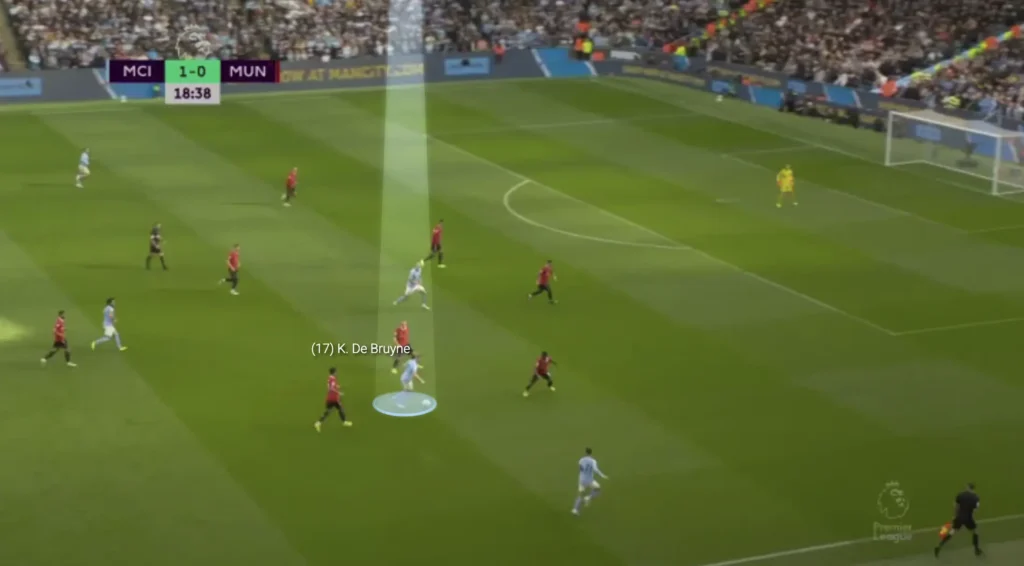
Half-spaces are the channels just inside the wings, running vertically between the touchline and central midfield.
They’re not wide, not central — but perfectly positioned for vertical progression and creative freedom.
The term gained traction with data-driven analysis post-2010, but roots trace back to Spain’s tiki-taka era.
Barcelona under Guardiola used Xavi and Iniesta to dominate these zones, drawing defenders out of position.
"The half-spaces are where games are won — between structure and chaos" — tactical analyst, 2021
At Inter Milan, Simone Inzaghi has refined the use of half-spaces with compact positional play.
Midfielders like Barella drift into these zones to receive under pressure, supported by overlapping full-backs.
This system is widely regarded as one of the best in Europe for controlling tempo and creating chances.
Defending half-spaces requires a balanced midfield block. Players must shift obliquely, not horizontally.
Teams like Liverpool under Klopp used aggressive pressing triggers when opponents entered these zones.
The key is anticipation — intercepting passes before the receiver turns.
With full-wingers heavily marked, half-spaces offer a smarter route to goal.
They allow for inside forwards, late arrivals, and diagonal through balls — all hallmarks of elite attacks.
From Manchester City to Inter, this is now the standard for positional superiority.
Roberto De Zerbi is reshaping Marseille with bold, progressive tactics. A deep dive into his formation, pressing, and the key roles driving his system.
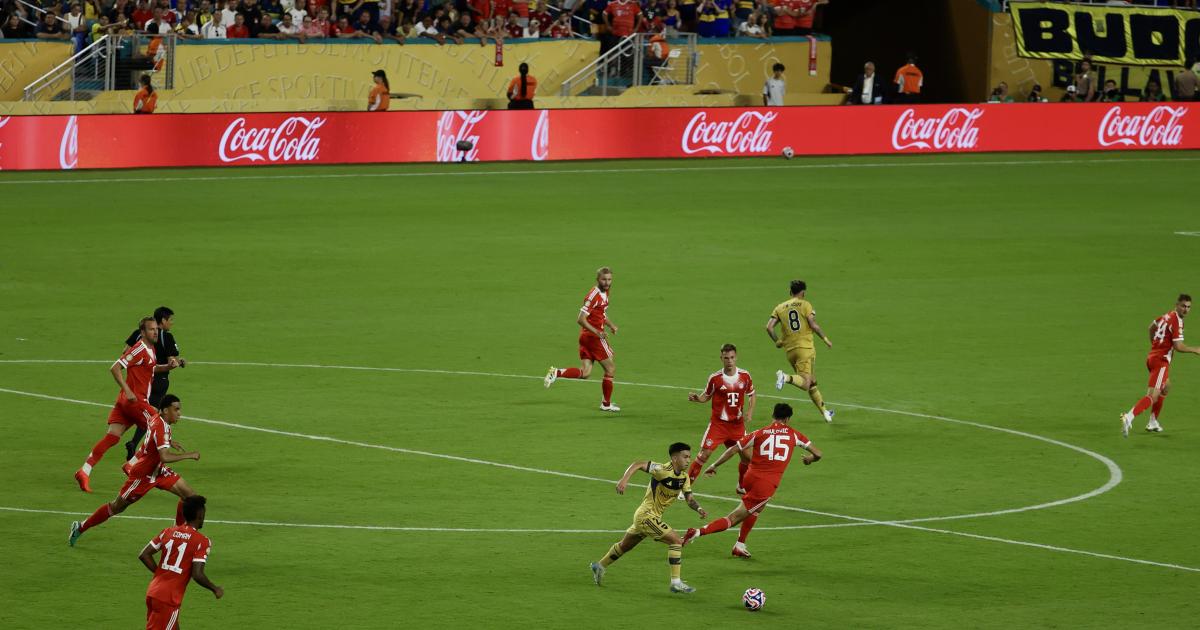
High press football is reshaping modern tactics. Kompany's Bayern Munich are its latest standard-bearers in 2026. Here's how and why it works.

The box-to-box midfielder is no longer just a workhorse. In 2026, it's the most complete profile in modern football — tactically essential and physically dominant.

The back three football system is reshaping elite football in 2026. Led by tactical innovators like Ruben Amorim at Manchester United, it's no longer a niche choice — it's the future.