Tacticsabout 4 hours ago
Liverpool’s Quiet Pressing Revolution — And Why It Matters
Arne Slot has turned Liverpool into a tactical predator. The triggers? Precision, patience, and perfect timing.

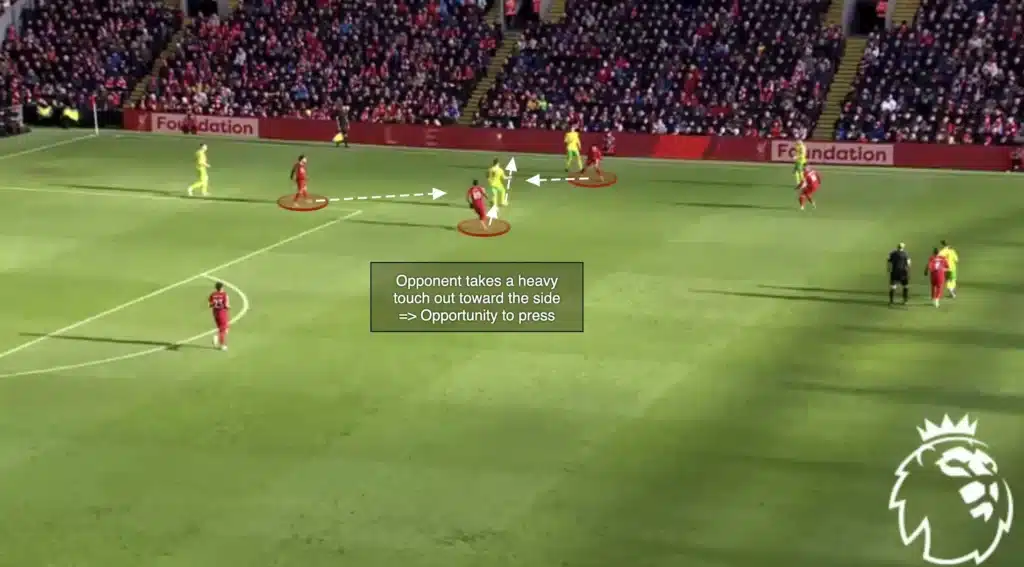
A pressing trigger is a specific, pre-identified cue — a pass, a body position, a hesitation — that signals the team to press.
It’s not random aggression. It’s a coordinated ambush. When a full-back receives with their back to play, the press ignites.
The press doesn’t start when you lose the ball. It starts when the opponent gains it.
At Inter Milan, Inzaghi’s side waits. They don’t chase. They lure and strike. The trigger is the spark.
This is not chaos. It’s controlled violence — a system where every player knows their role the moment the cue appears.
One misread, one lazy step, and the counter-attack burns you alive.
The roots trace back to Rinus Michels and Cruyff’s Ajax — the birth of “total football” and pressing as philosophy.
But it was Guardiola who systematised the trigger. At Barcelona, every loss of possession became a hunting signal.
Now, every elite side uses them. The difference? Execution and discipline.
Modern video analysis allows teams to drill triggers like military protocols. Players rehearse them daily.
It’s no longer instinct. It’s conditioned response. The brain reacts before the feet move.
The game is no longer played in the moment. It’s won in preparation.
Simone Inzaghi at Inter Milan doesn’t have City’s technical depth. So he relies on timing and intelligence.
His team stays compact. They don’t overcommit. But when the trigger hits — a poor touch, a backward pass — the trap snaps shut.
The midfield surges. The full-backs tuck. The backline steps up. All in sync.
It’s efficient. But risky. Teams like Tottenham and Napoli look to exploit the space behind with rapid transitions.
The best pressing is invisible. You only notice it when you’re already beaten.
The answer? Speed and simplicity. Don’t overthink. Play forward the second you win it.
Smart teams use a pivot player — someone calm, quick to turn, capable of bypassing the press with one pass.
The goal isn’t to beat the press man-to-man. It’s to skip over it entirely.
Inzaghi knows this. That’s why Inter’s first line of defence is mental pressure, not physical tackles.
One lapse in concentration, one hesitation, and the game is gone.
Because football is no longer about who has the ball. It’s about who controls the opponent’s mind.
Every trigger is a threat. Every touch under pressure is a potential error. The stress builds.
Klopp, Guardiola, Inzaghi — they don’t just coach tactics. They engineer anxiety.
The future of football isn’t in the final third. It’s in the split-second decision of a centre-back under pressure.
And that decision? It’s already been scripted by the trigger.
Arne Slot has turned Liverpool into a tactical predator. The triggers? Precision, patience, and perfect timing.
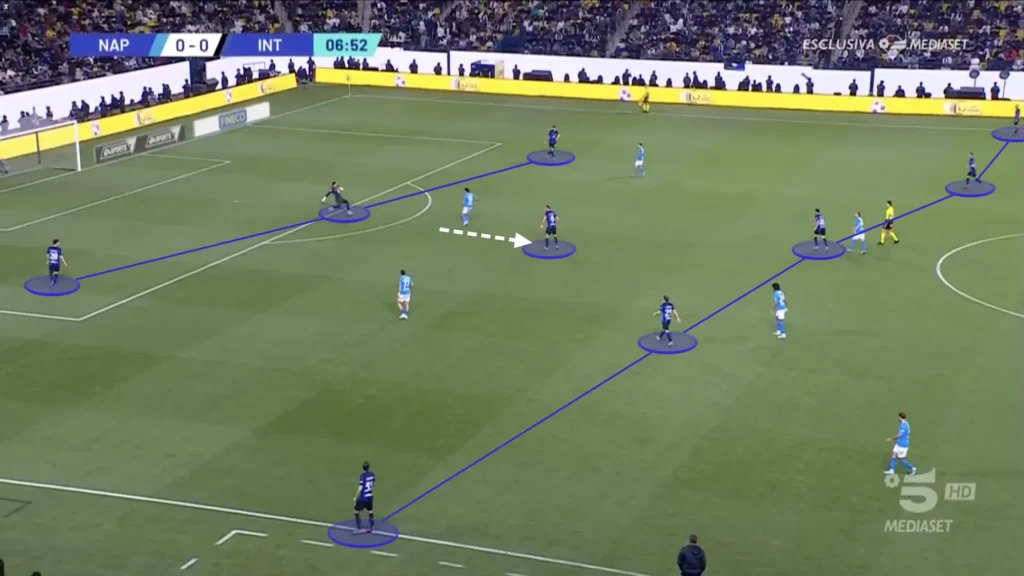
A deep dive into Simone Inzaghi's tactical blueprint at Inter Milan: how structure, discipline, and smart transitions define their success.
Antonio Conte has rebuilt Napoli in his image: a relentless, tactical machine built on discipline, structure, and explosive transitions.

Tiki-taka has evolved. Will Still at RC Lens is leading the charge. Here’s how possession football changed since Guardiola.