
World Cup4 days ago
Haaland's Quiet Revolution — And Why He Could Win the 2026 Golden Boot
As the 2026 World Cup looms, Haaland, Mbappé and Kane lead the Golden Boot race. We rank the 15 most likely top scorers.

The 2026 World Cup will crown a champion after the most expansive tournament in history — and chaos could reign.
The jump from 32 to 48 teams is FIFA’s boldest move yet. It’s sold as global inclusion, but critics call it commercialisation.
Smaller nations now have a realistic shot. Think Iceland, Thailand, or Madagascar — teams once dismissed can now dream.
Purists argue the quality will drop. More minnows mean more cautious games, fewer golazos, more defensive blocks.
But broadcasters love it. More nations = more viewers = more revenue. The World Cup 2026 could be the most-watched event ever.
Forget the old 8-group model. The 2026 format splits 48 teams into 12 groups of four.
Each side plays three matches. The top two advance automatically. That’s 24 teams in.
The remaining eight spots go to the best third-placed teams. Their points, goal difference, and fair play records will decide fates.
This rewards consistency. A team with two wins and a loss might fall short if in a stacked group.
Meanwhile, a lucky third with one win and two narrow losses could sneak through.
"It’s not just about winning — it’s about surviving" — senior analyst, The Athletic
The eight best third-placed teams will be the new wildcards. Their path is fraught with calculation.
A third-place team with 4 points might not make it if others have 5 or 6. But in weaker groups, even 3 points could suffice.
This adds late drama. The final group games will be tense, especially when two second-placed teams face off.
Managers may play conservatively. A draw could be enough. But one mistake — a red card, a late goal — and the dream ends.
The pressure on coaches like Southgate or Deschamps will be immense. Every substitution, every tactical tweak matters more.
The knockout phase starts with 32 teams — same as the Champions League last 16.
First up: round of 16 (though technically huitièmes). Then quarter-finals, semis, and the final.
No extra preliminary round. The format jumps straight from group stage to last 32.
The tournament will last around 39 days, running from June to mid-July 2026.
Players will face gruelling travel across three countries. Humidity in Florida, altitude in Mexico City — conditions will vary wildly.
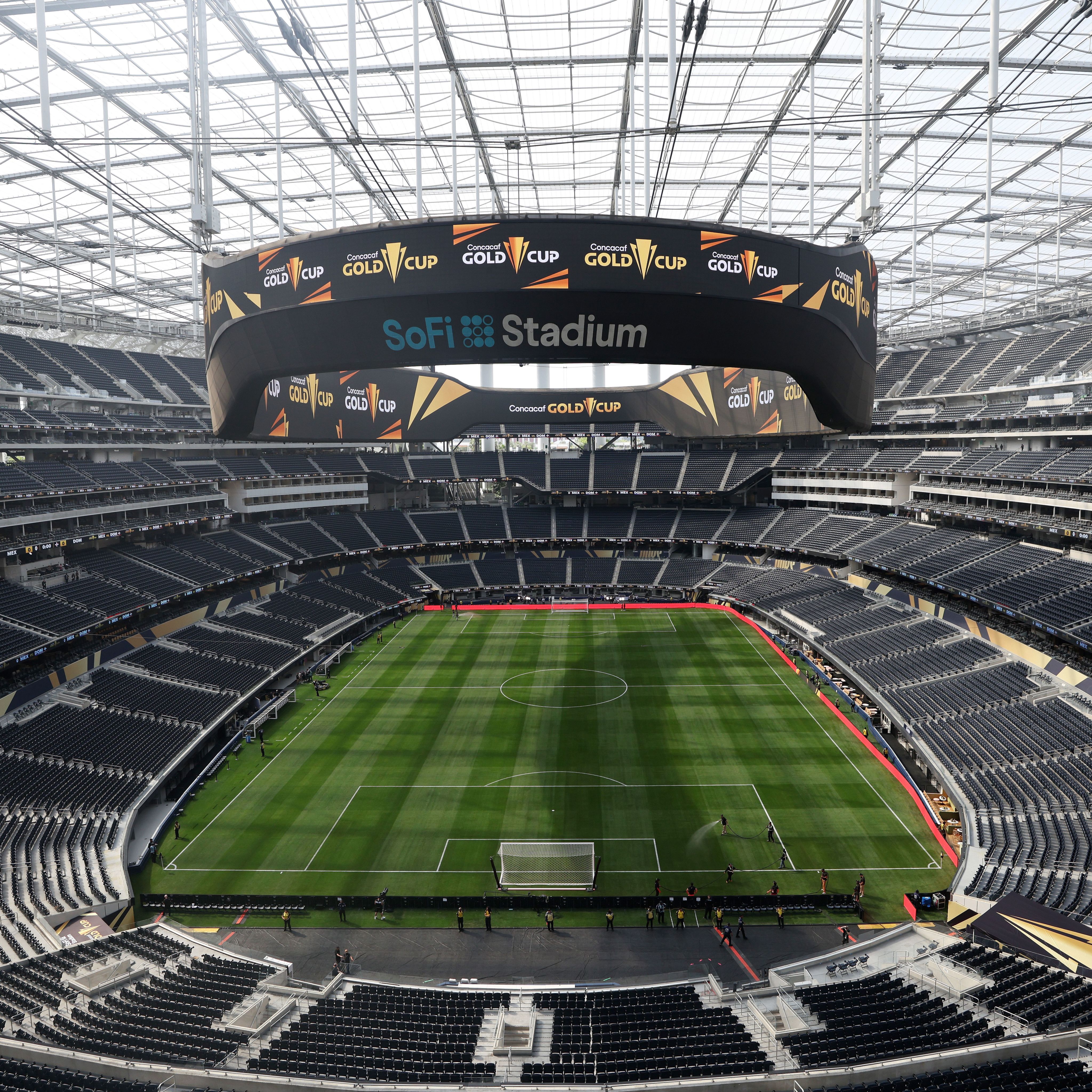
Stadiums like SoFi Stadium and BC Place will host record crowds. Expect electric atmospheres.
Co-hosts Canada, USA, and Mexico get automatic or near-guaranteed spots. Home advantage could be huge.
Emerging powers like Senegal, Japan, or Poland might thrive. Less pressure in groups, more chances to peak later.
Traditional giants — Brazil, France, Germany — must stay sharp. One bad game no longer means elimination, but fatigue could creep in.
Well-organised, tactically rigid teams — think Denmark or Switzerland — could exploit the format. Survival first, then strike.
The underdog factor is higher than ever. A clean sheet and a counter-attack goal might be enough to progress.
As the 2026 World Cup looms, Haaland, Mbappé and Kane lead the Golden Boot race. We rank the 15 most likely top scorers.

Find out our team prediction for Saudi Arabia's World Cup 2026 squad.