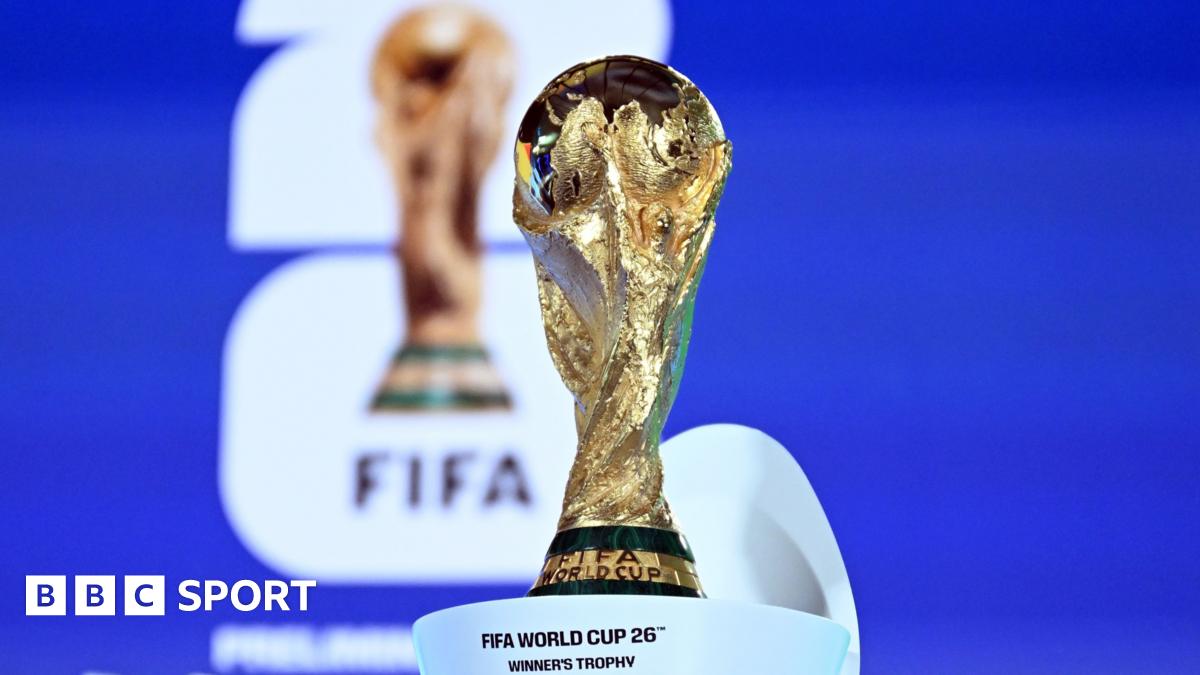
A New Era for the World Cup
The 2026 World Cup represents a historic shift in international football, with the tournament expanding to 48 teams for the first time. This decision, driven by FIFA’s vision for broader global inclusion, has reshaped qualification pathways across all confederations. The additional slots have intensified competition in regions like CONCACAF, Africa, and Asia, where emerging footballing nations now have a clearer route to the world stage.
Hosted jointly by the United States, Canada, and Mexico, this will be the first World Cup to span three countries. The logistical scale is unprecedented, with matches scheduled across more than 15 major cities. Stadiums such as MetLife, AT&T Stadium, and Estadio Azteca are expected to host key fixtures, including the final. The multi-nation hosting model introduces new challenges in travel and player recovery, but also offers a unique opportunity to grow the game in North America.
Favourites, Underdogs, and Emerging Contenders
Traditional powerhouses including Brazil, Argentina, France, and Germany remain among the top contenders, backed by deep squads and elite-level experience. However, the rise of teams like Japan, Morocco, and Mexico has narrowed the gap, with recent tournament performances suggesting a more balanced global landscape. Football analysts suggest that the compressed schedule and expanded group stage could benefit well-organized underdogs.
The final six qualifiers reportedly emerged from intense intercontinental playoffs, with several nations securing historic berths. These late arrivals may lack tournament rhythm but bring momentum and national pride. Player eligibility rules have also played a role, with dual-national talents opting to represent developing programs. The balance between youth and experience will be crucial as teams navigate the complex format.
What This Means for the Future of Football
The 2026 World Cup is more than a tournament — it’s a catalyst for structural change. The expanded format is expected to boost investment in grassroots football, particularly in underrepresented regions. Broadcast rights and commercial revenues are reportedly at record levels, reflecting the event’s growing global appeal. However, debates continue over whether the larger field compromises competitive intensity.
"The balance of footballing power is shifting," football analysts suggest. "This is no longer just a battle between Europe and South America."
As the world prepares for kickoff, the 2026 edition promises to redefine legacies, elevate new stars, and test the resilience of football’s most storied nations. One thing is certain: the game’s biggest stage has never been more inclusive — or more unpredictable.