The Claim: Why We Are Making This Argument
Ruben Amorim was supposed to be the architect of Manchester United’s revival — a visionary tactician to restore pride, identity, and attacking flair. Instead, three seasons in, the evidence suggests something far more troubling: Amorim isn’t accelerating United’s rebuild — he’s holding it back. While other elite clubs are evolving, United under Amorim plays in survival mode, lacking the aggression, creativity, and consistency expected of a historic powerhouse. The recent performances, particularly in high-stakes Champions League fixtures, reveal a team reactive rather than dominant — a hallmark of managerial limitation, not player failure.
The fact that Arne Slot — managing a Liverpool side with comparable pressure — openly admitted his team was in ‘survival mode’ during their first leg against Paris Saint-Germain should serve as a warning. Slot acknowledged the need to elevate their level with Anfield’s support. At United, there’s no such recognition — just repeated cycles of narrow escapes, cautious substitutions, and tactical conservatism. This isn’t rebuilding. This is stagnation disguised as progress.
The Evidence: What the Facts Say
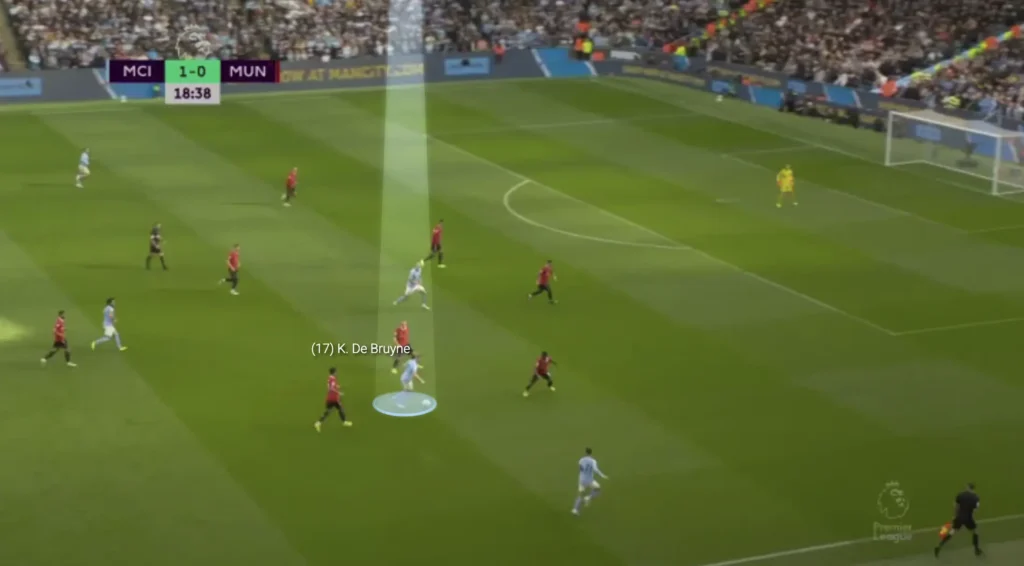
Amorim’s tactical model prioritises structure over spontaneity. His deep-lying playmaker often acts as a safety valve rather than a tempo-setter. The inverted full-backs hesitate to join attacks, fearful of counters. The forwards are isolated, with minimal support from midfield during pressing transitions. The result? United dominates possession against mid-table sides but collapses under sustained pressure from elite opponents.
Worse, the team lacks a clear identity in attack. Is United a counter-attacking side? A high-pressing unit? A possession-based machine? The answer changes weekly. Meanwhile, players like Bruno Fernandes and Rasmus Højlund — capable of brilliance — are reportedly in excellent form, yet their impact is diluted by a system that discourages risk. The bench is underutilised, the in-game adjustments sluggish. The last 15 minutes of tight games often see United retreating, not attacking — a psychological signal from the manager.
The Counterargument: Context Matters
It’s fair to say Amorim inherited chaos: years of poor recruitment, boardroom instability, and an unbalanced squad. Rebuilding takes time. Look at Pep Guardiola’s first season at City or Jürgen Klopp’s early days at Liverpool — both faced similar turbulence. And yet, within two seasons, they established a clear philosophy and saw tangible improvement. Amorim, by contrast, has not only failed to impose a lasting identity but seems to be adapting United’s potential to his limitations.
The club’s transfer strategy has also been inconsistent. While Amorim isn’t solely responsible, his influence on recruitment is undeniable. The lack of a true false nine, the over-reliance on versatile midfielders, and the underuse of academy talents like Amad Diallo suggest a disjointed vision. The football world has shown, as Slot said, that ‘everything is possible’ — but possibility requires bold leadership. Amorim offers caution, not courage.
The Verdict: United Needs a Revolution, Not a Manager
Manchester United doesn’t need a tactician — it needs a leader. One who inspires, imposes identity, and demands excellence. Amorim, for all his discipline, lacks the transformative spark. He manages the club rather than leads it. While others raise their level under pressure, United under Amorim drops it.
‘Football has shown many times everything is possible’ — Arne Slot
Those words should haunt Old Trafford. Because under Amorim, everything feels possible — except progress. The evidence is overwhelming. It’s time for a change.
Q: What is the counterargument?
A: The main counterpoint is that Amorim inherited a broken project — years of mismanagement, financial constraints, and squad imbalance. Some argue he needs more time. But when compared to other managers who rebuilt clubs under similar conditions, his progress is notably slower, suggesting the issue may lie with his approach, not just the circumstances.