
Tacticsabout 1 hour ago
Conte's Quiet Revolution at Napoli — And Why It Changes Everything
Antonio Conte has rebuilt Napoli in his image: a relentless, tactical machine built on discipline, structure, and explosive transitions.

The right-footed winger on the left flank. That's our #1. This is the blueprint of modern attack.
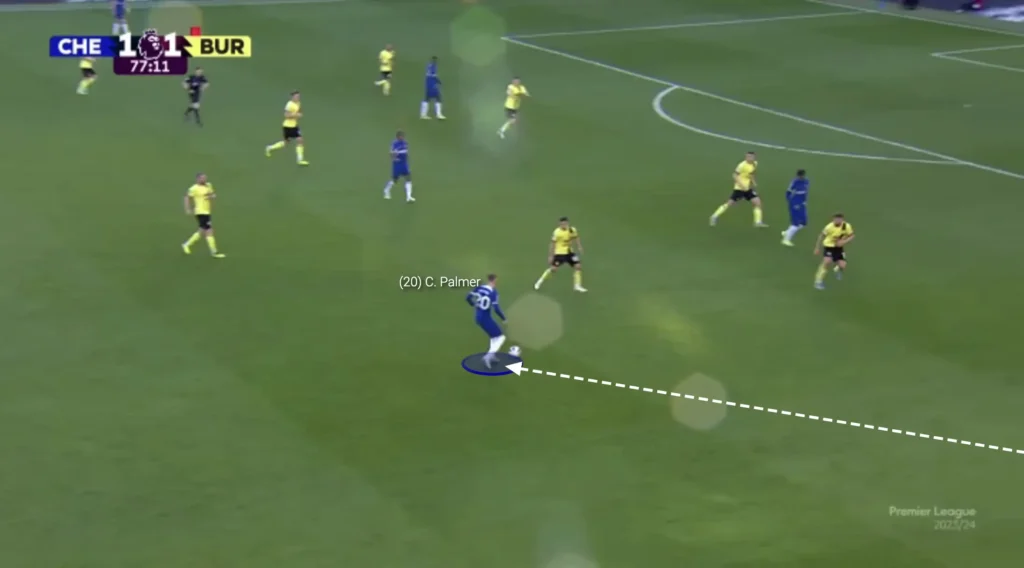
An inverted winger is an attacker who plays on the flank opposite their dominant foot. A right-footer on the left, for example. This allows them to cut inside toward the centre of the pitch.
This movement opens up shooting lanes and creates space for overlaps. It also increases the chance of quick combinations with the striker or attacking midfielder.
The idea isn't new. In the early 2000s, Roberto Carlos and Ronaldinho at Barcelona used similar patterns. But it was Pep Guardiola at Bayern Munich and later Manchester City who systematised the role.
Arjen Robben was famous for his “cut inside and score” style. Today, players like Phil Foden and Jérémy Doku embody the evolved version — technically gifted, tactically disciplined, and deadly in the box.
At Chelsea, Enzo Maresca has implemented a dynamic system using inverted wingers. They drift inside to create central overloads, while full-backs provide width.
This setup allows midfielders to make late runs into the box. It has been evident in multiple Premier League fixtures during the 2025-2026 campaign. The team is understood to be among the top performers in creating high-xG chances from wide transitions.
Stopping an inverted winger requires coordination. The full-back must stay goal-side and limit space. The central midfielder must cover the inside channel.
"When a right-footer cuts in from the left, the danger zone is always active. You have to anticipate the shot or through ball" — tactical analyst, 2025
Teams like Atlético Madrid use a double-pivot with one midfielder tucking in. Others rely on a central defender stepping up to block shooting lanes.
The inverted winger represents the shift toward fluid, unpredictable attacks. It blurs traditional positional lines. It maximises the use of a player’s strongest foot in the most dangerous areas.
In modern inverted winger football, creation and finishing happen closer to goal. That’s why this role is now central to elite tactics.
Antonio Conte has rebuilt Napoli in his image: a relentless, tactical machine built on discipline, structure, and explosive transitions.

Tiki-taka has evolved. Will Still at RC Lens is leading the charge. Here’s how possession football changed since Guardiola.
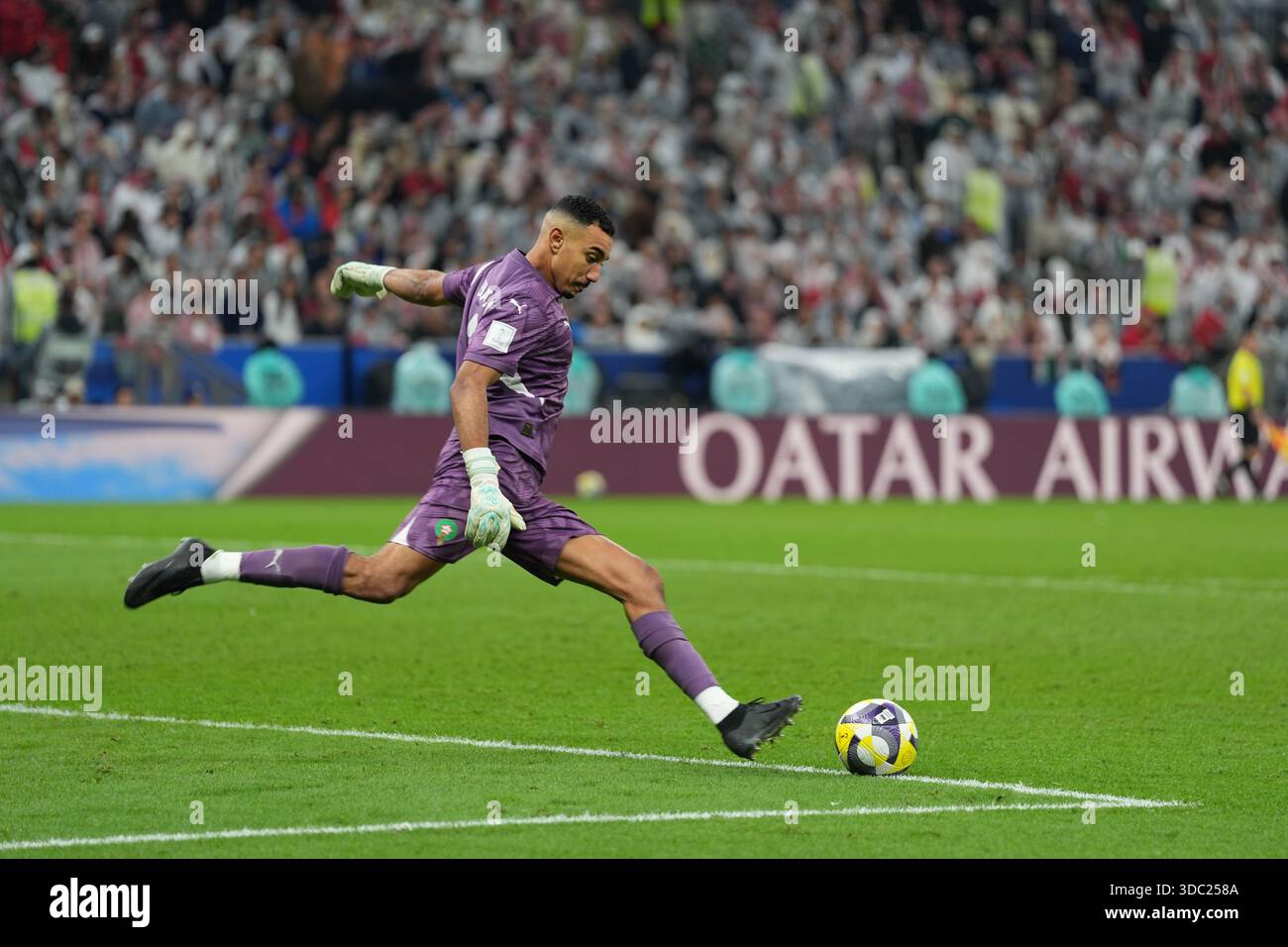
From Neuer to Xabi Alonso's Leverkusen, the ball-playing goalkeeper has reshaped modern football. Here's how it works in 2026.
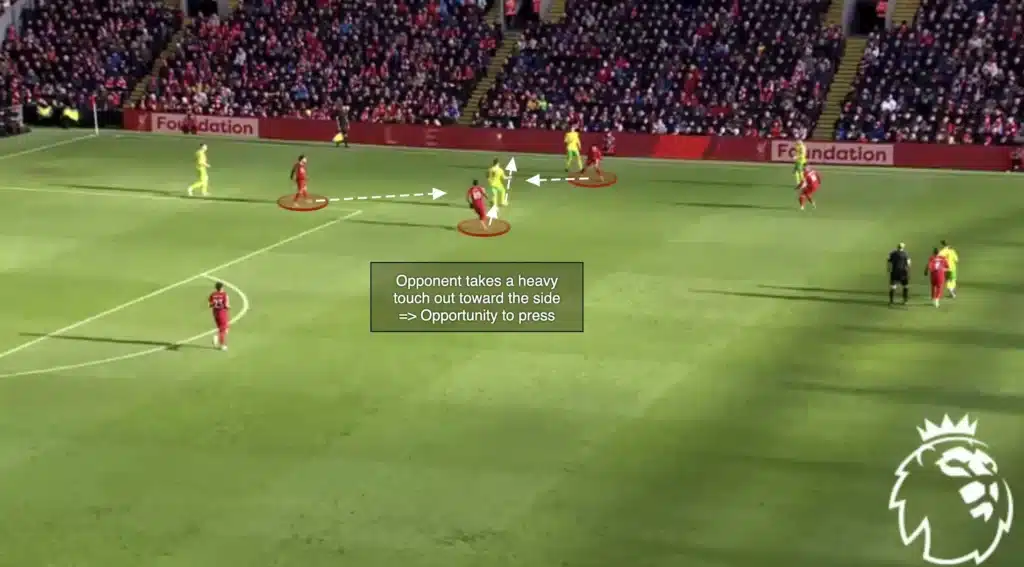
Pressing triggers are the hidden mechanics behind elite defensive systems, turning ball recovery into a precise science.